If you want performance without sacrificing trust, influencer affiliate marketing is where the market is moving.
Influencer affiliate marketing represents the strategic fusion of performance-based commissions with social media content creation, where social media influencers earn through tracking links and promo codes rather than traditional flat-fee sponsorships. This hybrid model blends the authentic trust of influencer campaigns with the measurable ROI of affiliate programs, creating a true pay-for-performance system that rewards results for both brands and creators.
2025 marked a clear inflection point. Headed into 2026, 80% of consumers now trust influencer recommendations more than traditional advertising, while the global influencer marketing industry has reached $21 billion in market size. At the same time, affiliate marketing spend has climbed to $17 billion, confirming a broader shift toward accountability, authenticity, and performance-driven growth.
Together, these forces are reshaping how brands scale—and how creators build sustainable income. Read on to see how this model works, where it’s heading next, and how to apply it effectively.
Key Trends and Tactics
The influencer affiliate landscape is evolving fast—and the winners are adapting just as quickly.
Key trends reshaping the space include AI-powered creator matching systems that help brands identify the right affiliate partners more efficiently, TikTok Shop integration enabling seamless social commerce, and the rise of micro-influencers, who deliver 7% engagement rates compared to 1.7% for mega influencers. At the same time, performance-based incentives are becoming the standard, with 15–30% commission rates replacing traditional sponsored-post arrangements.
This guide will show you how to build profitable influencer affiliate programs, optimize content creation strategies across social media platforms, and leverage emerging technologies to maximize sales through authentic partnerships. Whether you’re a brand expanding your affiliate marketing strategy or an influencer diversifying revenue streams, read on to discover actionable tactics for succeeding in this rapidly evolving digital marketing landscape.
How Influencer Affiliate Marketing Works
Not all affiliate marketing models are built the same—and the differences matter more than ever.
Traditional affiliate marketing relies heavily on blog-based content and SEO-focused strategies, where affiliate marketers create articles primarily for search engines and embed affiliate links within informational content. In contrast, influencer-driven approaches prioritize social media channels and relationship-based marketing, with creators building engaged audiences through authentic content before naturally integrating product recommendations using unique links and discount codes.
Partnership structures in influencer affiliate programs typically include three core elements: unique tracking links assigned to each influencer, personalized promo codes that provide both attribution and customer incentives, and hybrid compensation models combining base payments with performance bonuses. Together, these mechanisms ensure accurate performance tracking across the entire customer journey—from initial discovery to final purchase conversion—creating transparency and accountability for both brands and creators.
Social Media is The Playground
Major social media platforms have evolved to support affiliate campaigns more effectively.
Instagram Shopping allows influencers to tag products directly in social media posts and stories, while TikTok Shop enables creators to promote products within videos and live streams.
YouTube Partner Program offers extensive monetization options through product placement and affiliate link integration, and emerging channels like Pinterest Creator Fund are expanding opportunities for visual content creators—mastering Pinterest for success is already a fine start to strategic upgrading. Platforms like Digistore24, meanwhile, provide powerful support in the background, covering global payments and multiple supports for affiliates and offer owners alike.
The customer journey in influencer affiliate marketing begins when target audience members discover products through authentic content that resonates with their interests and needs. Unlike traditional marketing funnels, this approach leverages social proof and personal recommendations to convert customers, often resulting in higher conversion rates and stronger brand loyalty through trusted relationships rather than direct advertising.
Finding the Best Influencers
Choosing the right influencers is the single most important decision in any influencer marketing campaign.
Identifying the best influencers starts with defining your target audience—their demographics, interests, and the social media platforms they use most. With this foundation in place, influencer marketing platforms and affiliate programs can help you find creators who genuinely align with your brand values and niche.
Follower count alone isn’t enough. Prioritize influencers who consistently produce engaging content and maintain strong engagement rates, as these signals often reflect authentic audience trust. Micro-influencers, in particular, can be game changers for brands looking to reach specific communities. Their smaller but highly targeted audiences often deliver higher conversion rates and more meaningful interactions.
When evaluating potential partners, review previous collaborations, overall content quality, and how influencers interact with their followers. The strongest partners don’t just amplify your message—they integrate your products seamlessly, making recommendations feel natural and trustworthy. By selecting the right influencers, brands can maximize reach, drive sales, and build lasting brand loyalty.
Building an Affiliate Program
A successful affiliate program begins with clear goals and the right structural foundation. Start by defining objectives—whether that’s increasing sales, driving website traffic, or expanding brand reach. Choose an affiliate network that fits your business model and resonates with your audience, then recruit affiliates who are genuinely enthusiastic about your products.
Mastering Materials
Support is critical to performance. Equip affiliates with marketing materials such as banners, pre-written social posts, and detailed product information so they can create content that stays aligned with your brand voice. Incentives matter too—competitive commission rates, exclusive discounts, or special perks encourage affiliates to prioritize your offers.
Tracking and optimization close the loop. Implement tracking links and affiliate links to monitor which partners and content formats drive conversions. Regularly review this data to refine your strategy, optimize payouts, and ensure affiliates feel valued and supported. When built thoughtfully, an affiliate program combines the reach of influencer marketing with the accountability of affiliate performance—accelerating growth and expanding into new audiences.
Compensation Models
Compensation models can make or break an affiliate or influencer partnership.
Choosing the right compensation structure is essential for motivating affiliates and influencers to deliver their best work. The most common models in affiliate and influencer marketing campaigns include pay-per-sale, pay-per-lead, and pay-per-click. Pay-per-sale rewards affiliates for each completed purchase, making it ideal for brands focused on direct revenue growth.
Pay-per-lead compensates affiliates for actions such as sign-ups or inquiries, which works well for list-building and early-stage customer acquisition. Pay-per-click, meanwhile, rewards traffic generation and is best suited for increasing brand visibility rather than immediate conversions.
Many brands now adopt hybrid compensation models that blend multiple approaches into a single, flexible structure. For example, a base commission per sale can be paired with performance bonuses for hitting volume milestones or generating high-quality leads. This model appeals to a broader range of creators while encouraging sustained effort over time.
When designing compensation plans, consider your campaign goals, budget constraints, and the unique value each affiliate brings. Transparent, fair compensation attracts stronger partners, supports long-term collaboration, and ultimately drives more consistent results across your influencer marketing campaigns.
Tracking Performance
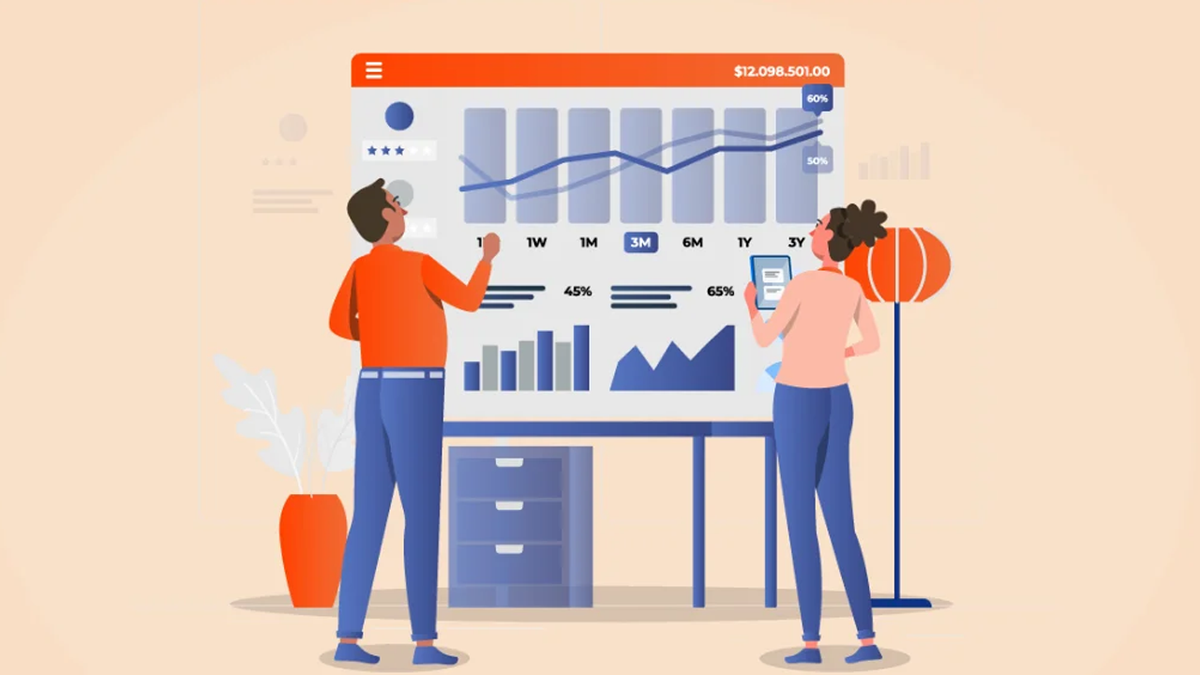
Without reliable tracking, affiliate and influencer marketing quickly becomes guesswork.
Effective tracking is the backbone of successful affiliate and influencer marketing campaigns. By using tracking links and affiliate links, you can monitor every click, sale, and conversion generated by your partners. This data-driven approach makes it possible to identify which influencers, content formats, and social media channels consistently deliver results.
Influencer marketing platforms and affiliate networks with robust analytics dashboards simplify performance tracking across multiple campaigns. These tools provide real-time insights into engagement rates, conversion rates, and ROI, allowing you to optimize campaigns quickly rather than waiting for end-of-month reports.
Social media analytics add another layer of visibility. Reviewing follower growth, content reach, and audience engagement helps pinpoint top-performing affiliates and highlight areas for improvement. By monitoring these metrics regularly, brands keep campaigns efficient, effective, and closely aligned with business goals.
Creating a Unique Value Proposition
If affiliates don’t immediately understand why your program is different, they won’t commit to promoting it.
A compelling unique value proposition (UVP) sets your brand apart and attracts high-quality affiliates and influencers. Your UVP should clearly communicate what makes your affiliate program stand out—whether that’s exclusive product access, industry-leading commission rates, or exceptional partner support.
Your Brand Story Matters
Your brand story and messaging should resonate with both your target audience and potential affiliates. Emphasize collaboration benefits such as free products, early access to launches, or opportunities to co-create user-generated content. Adding social proof, including affiliate testimonials or influencer case studies, further strengthens trust and credibility.
Retention matters as much as recruitment. Loyalty programs and tiered rewards incentivize ongoing promotion and help retain top-performing partners. By delivering consistent value and fostering a genuine sense of community, your brand becomes a preferred partner in an increasingly competitive influencer marketing landscape.
A strong UVP doesn’t just attract better affiliates—it supports sustained growth, deeper partnerships, and long-term brand leadership.
Benefits for Brands and Influencers
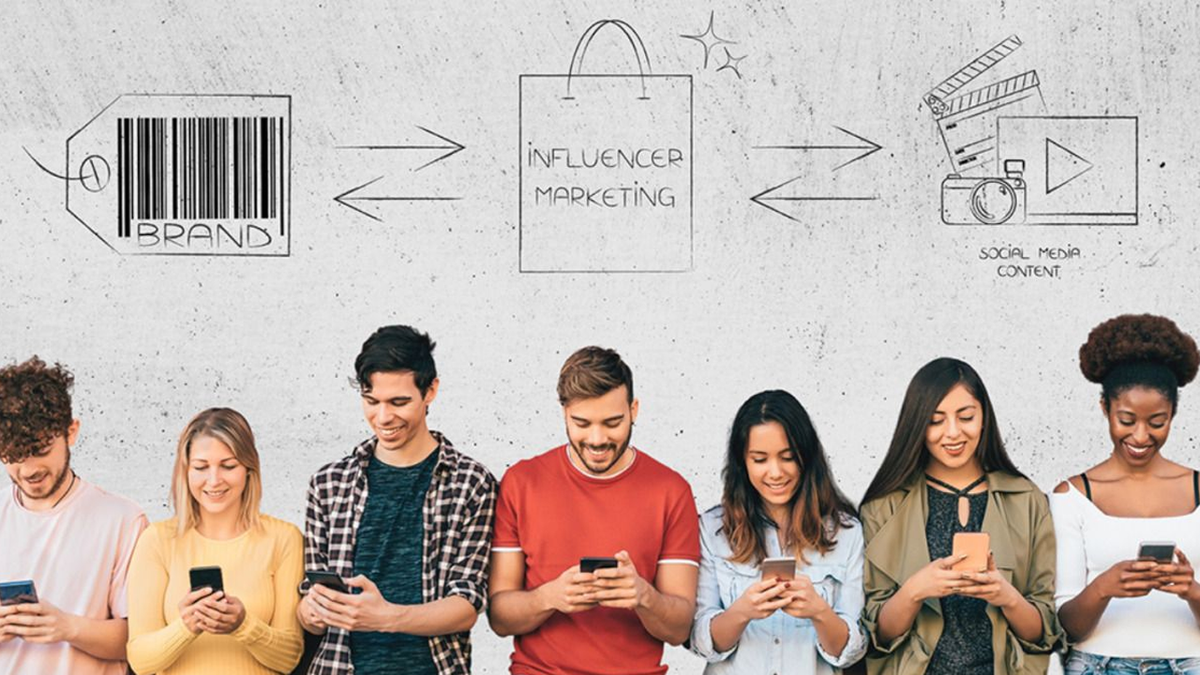
Brands benefit most from authentic trust built through influencer relationships with highly engaged audiences. Influencer marketing enables direct engagement without the skepticism often attached to traditional advertising, while lowering customer acquisition costs through precise audience alignment. Brands also gain access to niche communities and demographics that closely match their ideal customers, extending reach across multiple platforms simultaneously.
Influencers benefit from recurring revenue and greater creative control through affiliate partnerships. Unlike one-off sponsorships, affiliate models support long-term income streams and allow creators to promote products in ways that feel natural to their personal brand. High-performing influencers often receive additional perks such as exclusive deals, free products, early access to launches, and invitations to brand events.
Performance data reinforces the effectiveness of affiliate and influencer marketing for both parties. Campaigns deliver 60% higher conversion rates than traditional ads, with an average return of $6.50 per dollar spent. Micro-influencers, in particular, outperform larger accounts, achieving 3.7% engagement rates that reflect stronger audience trust and content relevance.
Compensation models have shifted decisively toward performance-based incentives. Standard commission rates now range from 15–30%, aligning payouts with actual results. Tiered commissions reward sustained performance, enabling top influencers to earn more than flat-fee sponsorships while ensuring brands pay only for real sales impact.
Priority Action List for Brands and Influencers
- Prioritize trust-driven partnerships—focus on influencer relationships with proven audience engagement rather than follower count alone.
- Adopt performance-based compensation models—replace flat fees with commission structures that align incentives and reward results.
- Target niche audiences deliberately—use influencers to reach specific demographics that match ideal customer profiles.
- Support long-term collaborations—build recurring affiliate programs instead of one-off campaigns to compound results.
- Empower creative authenticity—allow influencers flexibility in messaging to maintain audience trust and credibility.
- Use micro-influencers strategically—leverage higher engagement rates for more efficient conversions and stronger ROI.
- Implement tiered commission incentives—encourage sustained performance and deeper brand alignment over time.
Successful Content Formats & Channels

They keep on coming, those new channels and formats, and the options can be confusing. Here are some of the best:
- Video-first strategies: Platforms like TikTok thrive on authentic, unscripted product reviews that boost engagement.Tip: Create short, honest reviews highlighting benefits and personal experience—add trackable affiliate links in captions or your bio to capture conversions.
- Instagram reels & tutorials: Short-form videos or fun content let you demonstrate product usage naturally.Tip: Make step-by-step tutorials or lifestyle demos where affiliate links appear in captions, stories, or “swipe-up” features for easy tracking.
- YouTube unboxing & reviews: Long-form videos allow for detailed exploration, building trust and credibility.Tip: Highlight pros, cons, and usage tips in your video, and include affiliate links in the description box to generate ongoing sales.
- Live shopping streams: Real-time interaction lets you answer questions and showcase products in action.Tip: Promote limited-time offers or special discounts during your stream to drive immediate sales with your unique affiliate codes.
- Nano & micro influencers: Creators with 1K–100K followers often achieve engagement rates around 7%, far higher than mega influencers (~1.7%).Tip: Focus on small, loyal audiences—you’ll get more meaningful clicks, leads, and conversions from a highly engaged community.
Audiences and How To Engage Them
Their smaller, more engaged audiences often represent specific niches with higher conversion potential, making them valuable partners for targeted affiliate campaigns. These influencers typically have stronger relationships with their followers, leading to higher trust levels and better performance tracking results.
Content repurposing tactics maximize the value of creator content across multiple channels and campaigns. Successful brands transform influencer videos into paid ads for broader reach, incorporate testimonials into email marketing materials, and feature user generated content on product pages and landing pages.
The Buzz Effect!
This approach ensures that high-performing content gets maximum exposure while maintaining the authentic voice that made it effective originally. Additionally, providing free samples to influencers can generate buzz, build trust, and encourage authentic content creation across multiple channels.
Remember, when you're trying to pin down your niche: platform-specific best practices vary significantly across social media channels. Instagram Stories with swipe-up functionality drive immediate conversions, while strategic use of popular hashtags expands organic reach.
TikTok hashtag challenges encourage viral content creation around specific products, and YouTube affiliate marketing product placement strategies integrate affiliate links naturally within longer-form content. Each platform requires tailored approaches to maximize the effectiveness of affiliate marketing campaigns while maintaining authentic content standards.
Essential Tactics for 2026
In 2026, the most effective influencer affiliate strategies are built on credibility, specialization, and smart incentives. As audiences become more skeptical and platforms more regulated, performance will increasingly depend on trust-driven partnerships rather than reach alone.
Authenticity must sit at the core of every campaign. Brands need to partner with influencers who genuinely use and believe in the products they promote. This naturally supports FTC compliance while preventing over-promotional content that erodes trust. Campaigns that encourage honest reviews—including limitations as well as benefits—often convert better precisely because they feel transparent and real.
Seeking Niche Dominance
Niche expertise is now a decisive advantage. Collaborating with specialized creators in clearly defined verticals—such as sustainable fashion, tech reviews, or fitness nutrition—delivers deeper credibility and more engaged audiences. These creators attract followers who actively seek informed recommendations, leading to higher conversion rates and longer-term value.
Gamification adds momentum and consistency to affiliate performance. Tiered commission structures, milestone bonuses, and exclusive rewards motivate creators to refine their content and promotion strategies over time. When incentives scale with performance, affiliates treat campaigns as ongoing partnerships rather than one-off promotions.
Core Tactics to Prioritize
- Authenticity-first partnerships with creators who actively use the product
- Niche-aligned influencers with subject-matter credibility
- Tiered commissions and bonuses tied to performance
- Exclusive access incentives, such as early launches or brand features
Together, these tactics create affiliate programs that feel credible to audiences, motivating for creators, and commercially effective for brands—setting the standard for influencer marketing in 2026 and beyond.
Don't Forget About AI... How Could You?
AI and data optimization tools are revolutionizing creator management and campaign performance. Platforms like AspireIQ use machine learning for creator matching, identifying right partners based on audience demographics, engagement patterns, and historical performance data.
Grin is one tool that provides comprehensive performance tracking across multiple campaigns, while numerous predictive analytics tools help brands forecast campaign success and optimize budget allocation. Do your homework—and find the best for you!
Common Challenges & Solutions

Measuring ROI remains one of the biggest challenges in affiliate marketing due to fragmented, multi-touch customer journeys. Conversions often happen long after the first click, making attribution difficult without proper systems. Solving this requires consistent UTM usage, cross-platform tracking, and analytics tools that connect content engagement to final purchases. No tracking, no truth.
Compensation disputes typically stem from unclear terms, delayed payments, or mismatched expectations. These issues are avoidable. Transparent agreements, automated payouts, and real-time performance dashboards reduce friction and build trust. If creators can’t see their numbers, confidence drops fast.
Platform algorithm changes create constant visibility risk. One update can tank reach overnight. Brands that diversify across platforms and invest in owned channels—like email lists—stay resilient. Algorithm-proofing isn’t optional anymore.
Compliance failures carry real legal and reputational risk. FTC disclosure rules, brand safety standards, and platform policies require ongoing attention. The solution is clear guidelines, regular training, and systematic content review before anything goes live.
Priority Action List: Fix the Biggest Risks First
- Implement end-to-end attribution tracking
Use UTMs, cross-platform analytics, and conversion tracking from first touch to purchase. - Standardize compensation terms upfront
Define commission rates, payment timing, and performance thresholds clearly—no gray areas. - Automate payouts and reporting
Use payment platforms and live dashboards so creators always know where they stand. - Diversify traffic sources early
Reduce reliance on any single platform by spreading campaigns across channels. - Build owned audiences
Support affiliates with email capture and direct-response assets that bypass algorithms. - Enforce compliance by design
Provide disclosure templates, run automated checks, and review sponsored content pre-publish. - Train creators continuously
Short, recurring updates keep affiliates aligned with legal, platform, and brand standards.
Future Trends & Predictions

Social commerce integration is accelerating across all major social media platforms.
TikTok Shop expansion, Instagram Shopping enhancements, and direct checkout features reduce conversion friction. These developments allow seamless transitions from content discovery to purchase completion within a single platform, improving user experience and boosting conversion rates for affiliate campaigns. Future innovations will likely include augmented reality try-ons and AI-powered product recommendations integrated directly into influencer content.
Platform innovations continue evolving to support more sophisticated affiliate and influencer marketing strategies.
Live shopping events are becoming standard, enabling real-time interaction between creators and audiences during product demonstrations. Advanced analytics tools deliver deeper insights into customer behavior, content performance, and full-funnel growth metrics, letting you optimize your affiliate marketing strategy across diverse campaigns.
Conclusion
Long-term partnerships are replacing one-off campaigns as brands recognize the value of sustained relationships with the right influencers.
Twelve-month ambassador programs with escalating commission structures create stronger incentives for consistent performance and build deeper brand associations. These extended relationships allow for more authentic content integration and better understanding of which content resonates with specific audiences.
Global market expansion presents significant opportunities in Southeast Asia, Latin America, and Africa.
Growing internet penetration and social media adoption create new audiences for affiliate programs. Localized influencer networks in these regions offer access to emerging markets with less competition and higher engagement potential. Brands expanding internationally must adapt strategies to local cultural preferences while maintaining consistent brand messaging across diverse markets.
FAQ
What is influencer affiliate marketing?
Influencer affiliate marketing combines influencer marketing with performance-based affiliate commissions. Instead of receiving a flat sponsorship fee, influencers earn commissions through unique tracking links or promo codes when their audience makes a purchase. This model aligns incentives between brands and creators by rewarding measurable results.
How is influencer affiliate marketing different from traditional affiliate marketing?
Traditional affiliate marketing often relies on blog content, SEO, and static affiliate links. Influencer affiliate marketing is driven by social media platforms, where creators promote products through authentic content, short-form videos, live streams, and tutorials. It emphasizes trust-based relationships rather than search-based traffic alone.
Why is influencer affiliate marketing growing so quickly?
The model is growing because it combines two powerful forces:
- Consumers trust influencer recommendations more than traditional ads.
- Brands demand measurable ROI and performance accountability.
As social commerce expands and commission-based partnerships replace flat-fee sponsorships, influencer affiliate programs offer scalable, trackable growth for both sides.
What commission rates are typical in influencer affiliate programs?
Most influencer affiliate programs offer commission rates between 15% and 30%, depending on industry margins and product pricing. Some brands implement tiered structures where commissions increase based on sales volume or performance milestones.
Are micro-influencers better than mega influencers for affiliate campaigns?
In many cases, yes. Micro-influencers (typically 1,000–100,000 followers) often generate higher engagement rates and stronger audience trust. While mega influencers offer broader reach, micro-influencers frequently deliver better conversion efficiency and lower customer acquisition costs.