

In the competitive world of affiliate marketing, the difference between successful affiliate marketers and those who struggle often comes down to one crucial element: their sales funnel. While many beginners make the mistake of sending cold traffic directly to affiliate links, seasoned professionals understand that an effective affiliate marketing funnel is the foundation of sustainable affiliate marketing success.
A sales funnel in affiliate marketing is a strategic system that guides potential customers from initial awareness to purchase through affiliate-promoted products. Unlike a traditional sales funnel, which is typically used by businesses to sell their own products and follows stages such as awareness, interest, desire, and action, an affiliate sales funnel is designed to maximize reach and engagement by nurturing desire, building relationships, and optimizing the entire customer journey for higher conversions and loyalty—all while building trust and providing value to your target audience.
Don't Forget the 17$ Billion
The importance of sales funnels for affiliate marketers cannot be overstated. According to industry data, the affiliate marketing industry reached $17 billion in 2023, with successful affiliates using structured funnels achieving conversion rates 30–60% higher than those who rely on direct linking. By building an effective affiliate sales funnel, marketers can systematically convert cold traffic into paying customers and unlock the potential to earn money online.
Introduction to the Affiliate World
The affiliate model is a powerful online business model that allows affiliate marketers to earn passive income by promoting affiliate products or services to a targeted audience. At its core, this form of marketing involves partnering with companies to recommend their products, earning a commission for each sale or action generated through your unique affiliate link. This approach enables individuals to build a flexible, scalable business without the need to create or manage their own products.
A successful affiliate marketing campaign relies on more than just sharing links — it requires a well-structured affiliate marketing sales funnel that guides potential customers through every stage of the buyer’s journey. From the moment a prospect becomes aware of a product to the point they make a purchase, the sales funnel ensures that each interaction is purposeful and value-driven. By understanding how to move potential customers through this process, affiliate marketers can maximize their conversion rates and generate consistent affiliate income.
Loyalty is Key
The affiliate marketing sales funnel is essential for turning casual website visitors into loyal customers. It helps affiliate marketers nurture relationships, address customer needs, and strategically promote affiliate products in a way that feels natural and trustworthy. Whether you’re just starting out or looking to optimize your affiliate campaign, mastering the sales funnel is the key to unlocking long-term success and sustainable passive income.
What is a Sales Funnel for Affiliates?
An affiliate marketing sales funnel is a structured pathway that moves prospects through distinct stages: awareness, interest, consideration, decision, and action. This systematic approach allows affiliate marketers to guide potential customers through each stage of the customer journey, building trust, addressing pain points, and ultimately leading to affiliate product purchases.
The core concept revolves around the AIDA model — Attention, Interest, Desire, and Action — which serves as the foundation of affiliate marketing funnels. In the awareness stage, you attract potential buyers through search engine optimization and targeted advertising. During the interest phase, you capture leads through compelling opt-in forms and lead magnets.
Automation is Part of the Picture
An affiliate marketing funnel uses content marketing, lead magnets, and automated email sequences to guide potential customers toward affiliate product purchases. This might include creating informative blog posts that rank well in search engines, offering free resources like ebooks or webinars in exchange for email addresses, and implementing sophisticated email campaigns that provide value while introducing relevant affiliate products as solutions to specific problems.
What sets affiliate funnels apart from direct sales funnels is the affiliate’s role as a trusted intermediary rather than product owner. While traditional businesses own their products and control the entire customer experience, affiliate marketers must build relationships and establish credibility before recommending products they don’t directly sell. This requires a more nuanced approach to marketing efforts, focusing heavily on trust-building and transparency.
Explore Demographics Deeply
The most effective affiliate marketing funnel leverages multiple touchpoints to warm up cold traffic. Instead of immediately pushing for a sale, successful affiliates focus on understanding their audience demographics, addressing specific pain points, and positioning themselves as helpful resources. This approach not only improves conversion rates but also builds strong customer relationships that encourage repeat purchases and long-term affiliate income.
Building Your Affiliate Marketing Sales Funnel
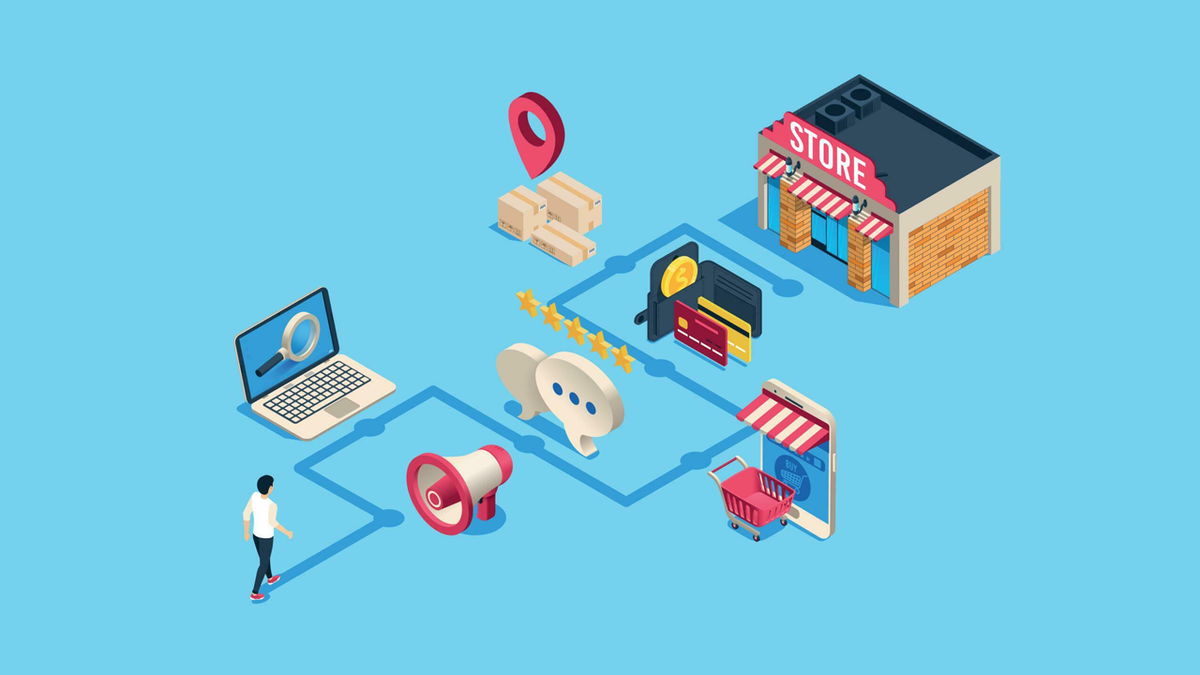
Creating an effective affiliate marketing funnel requires a systematic approach to each stage of the customer journey. The most successful sales funnels are built with a deep understanding of the target audience and a clear strategy for moving prospects from initial awareness to final purchase. Designing an effective affiliate funnel is crucial for maximizing conversions and ensuring long-term success.
To achieve the best results, consider building and optimizing your own funnel tailored to your specific audience and niche.
Step 1: Traffic Generation and Awareness
The foundation of any successful affiliate marketing funnel and campaign begins with attracting qualified prospects to your landing pages. This awareness stage focuses on reaching potential customers who have problems your affiliate products can solve.
Content marketing through SEO-optimized blog posts remains one of the most effective methods for generating organic traffic. By creating valuable content that addresses your audience’s pain points and ranks well in search engines, you can attract visitors who are actively searching for solutions.
Social media marketing across key social media platforms allows you to reach broader audiences and build brand visibility. A well-crafted social media post can make your target audience aware of your affiliate offers by initiating engagement and encouraging them to visit your landing page or offer.
Paid advertising through Google Ads, social media ads, and other advertising platforms can quickly scale your traffic generation efforts. While this requires upfront investment, paid ads allow for precise audience targeting based on demographics, interests, and behaviors.
Influencer marketing has emerged as a powerful traffic source, particularly for affiliate marketers in specific niches. By partnering with influencers who already have audience trust, you can leverage their credibility to drive qualified traffic to your funnel.
Step 2: Lead Capture and Relationship Building
Once you’ve attracted visitors to your landing page, the next crucial step is capturing their contact information so you can nurture the relationship over time. This stage transforms anonymous visitors into identifiable leads you can follow up with through email campaigns and other marketing efforts.
Creating compelling opt-in forms with valuable lead magnets is essential for maximizing your conversion rate. Your lead magnet should provide immediate value while positioning you as an authority in your niche.
Your landing pages must clearly communicate the value proposition and include social proof to build credibility. Customer testimonials, case studies, and evidence of your expertise help convince visitors to share their email addresses.
Building relationships starts immediately with a well-crafted welcome email sequence. This initial series of emails should deliver on your lead magnet promise while beginning to establish your authority and personality.
Segmentation plays a crucial role in effective relationship building. By tagging subscribers based on their interests, behaviors, or demographics, you can deliver personalized content that significantly improves engagement and conversion potential.
Step 3: Email Nurturing and Trust Development
The nurturing phase is where most affiliate success is built. This stage involves implementing automated email sequences that provide consistent value, address objections, and introduce affiliate products naturally.
Successful email marketing requires a careful balance between providing value and promoting products. The most effective approach follows a value-first content strategy that builds trust and positions you as a helpful resource.
Addressing pain points through your email content creates natural opportunities to introduce affiliate products as solutions. By increasing trust and relevance, you can boost conversions and improve customer relationships.
Building authority through valuable insights, honest reviews, and personal experiences establishes long-term credibility. Transparency is crucial for affiliate success.
Social proof integration throughout your email sequences reinforces your recommendations. Including customer testimonials and success stories often provides the final push needed to convert hesitant prospects.
Step 4: Conversion and Affiliate Sales
The conversion stage is where your nurturing efforts pay off through affiliate sales. This phase requires strategic presentation of affiliate offers through persuasive sales pages and compelling calls-to-action.
Creating effective sales content focuses on benefits and outcomes, not just product features. Whether writing reviews or sales pages, emphasize how the affiliate product solves problems.
Strategic placement of affiliate links maximizes conversion opportunities without appearing overly promotional. Contextual placement keeps recommendations natural and helpful.
Urgency and scarcity elements can significantly boost conversion rates when used ethically. Limited-time bonuses and exclusive deals motivate immediate action.
Follow-up sequences for non-buyers help capture missed conversions. Addressing objections through FAQs, case studies, and additional touchpoints is crucial for closing sales.
Leveraging Technology and Automation in Your Funnel
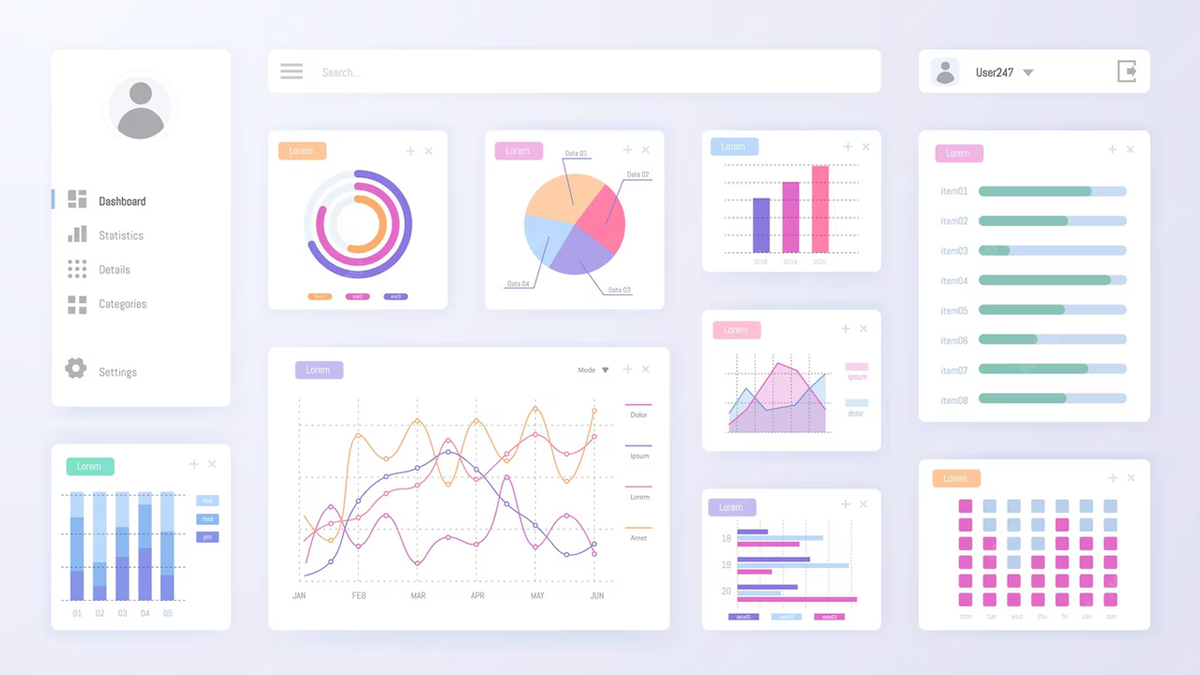
Technology and automation are indispensable tools for building an effective affiliate marketing funnel. Automation helps streamline tasks and boost conversion rates at scale.
Email marketing automation allows the delivery of personalized messages and consistent lead nurturing. Automated sequences ensure timely, relevant communication throughout the customer journey.
Social media scheduling tools increase brand visibility and help drive consistent traffic to landing pages without daily manual posting.
Landing page builders enable the creation of high-converting pages optimized for lead capture and sales.
Affiliate networks and tracking software help monitor performance, analyze conversions, and optimize campaign results using real-time data.
Measuring and Evaluating Funnel Performance

Measuring funnel performance is essential for affiliate marketing success. Tracking key metrics reveals opportunities to improve sales funnel efficiency.
Conversion rates, click-through rates, and Earnings Per Click (EPC) indicate how well your content and affiliate offers perform.
Using analytics tools, affiliate marketers can identify bottlenecks and optimize campaigns for better results.
Regular evaluation ensures marketing efforts remain goal-aligned and supports continuous improvement and income growth.
Post-Purchase Customer Journey in Affiliate Marketing

- The post-purchase phase creates opportunities to deepen customer relationships and build long-term brand advocates.
- After purchase, successful affiliates maintain customer support through follow-up communication and additional value.
- Post-purchase welcome sequences help customers maximize product value and stay engaged.
- Monitoring customer satisfaction helps turn buyers into repeat customers and strengthens trust.
- Continued Nurturing and Segmentation
- Repeat buyers are among the most valuable subscribers in affiliate marketing.
- Customer segmentation based on purchase behavior enables highly targeted follow-ups and higher lifetime value.
- Exclusive content and VIP access reinforce brand loyalty and encourage repeat purchases.
- Cross-selling and upselling increase affiliate revenue when timed appropriately and value-driven.
Building Long-Term Loyalty
- Long-term success depends on delivering consistent value and genuine care for customer outcomes.
- Encouraging feedback and reviews improves recommendations and builds credibility.
- Authentic relationship building increases customer trust and referral potential.
- Loyalty programs and exclusive bonuses strengthen repeat purchase behavior.
- Word-of-mouth referrals drive organic growth and compound affiliate success over time.
Creating a Sustainable Affiliate Revenue Stream
- A sustainable affiliate revenue stream relies on long-term relationships and consistent value delivery.
- Providing valuable content positions you as a trusted resource and increases retention.
- Strong customer relationships drive repeat purchases and stable affiliate income.
- Combining content marketing, email marketing, and social media marketing maximizes reach and engagement.
- A customer-centric approach builds reliable affiliate income and long-term business growth.
Conclusion
Effective affiliate marketing sales funnels transform visitors into loyal customers through strategic nurturing. A well-designed funnel builds trust and drives smarter purchase decisions.
Success factors include deep audience understanding, transparency, and value-driven communication.
Structured funnels deliver higher conversion rates, better targeting, stronger relationships, and sustainable passive income.
Affiliate marketing success requires patience, persistence, and genuine problem-solving.
Start by identifying pain points, creating lead magnets, and building authentic relationships — affiliate sales will follow naturally.
The best affiliate marketing funnel serves your audience while building a scalable business. Test, optimize, and grow your long-term affiliate success.
FAQ
What is a sales funnel in affiliate marketing?
A sales funnel in affiliate marketing is a structured process that guides potential customers from first contact to purchase. Instead of sending traffic directly to affiliate links, funnels build trust, nurture interest, and improve conversion rates through multiple touchpoints.
Why is a sales funnel important for affiliate marketers?
Sales funnels consistently convert better than direct linking because they warm up cold traffic, address objections, and build credibility. Affiliates using structured funnels often achieve significantly higher conversion rates and more stable, long-term income.
What are the main stages of an affiliate marketing funnel?
The core stages include awareness, lead capture, nurturing, conversion, and post-purchase follow-up. Each stage moves prospects closer to a buying decision while strengthening trust and engagement.
How do affiliate marketers generate traffic for funnels?
Traffic is commonly generated through SEO-focused content, social media marketing, paid ads, influencer partnerships, and content marketing. The goal is to attract targeted visitors who already have a problem the affiliate product solves.