

Every day, millions of potential customers visit affiliate landing pages, hover over buy buttons, and then leave without purchasing. What separates successful affiliate marketers from those struggling to generate consistent commissions? The answer lies in a powerful psychological phenomenon that turns skeptical visitors into loyal customers: social proof (SP). To boost affiliate sales, it’s crucial to reach a broader market and attract a wider audience, ensuring your message resonates with more potential buyers.
Research shows that 93% of consumers read online reviews before making purchasing decisions, making customer feedback not just helpful but essential for affiliate success. Current customers play a crucial role in building trust and encouraging purchases by sharing their experiences. When real customers share positive outcomes, they create digital word of mouth that no traditional advertising can match.
For affiliate marketers using platforms like the Digistore24 affiliate marketplace, understanding SP isn’t optional — it’s the difference between mediocre results and breakthrough performance for any e-commerce site looking to attract more customers. If you’re starting affiliate marketing with little or no money, social proof has a major advantage: positive feedback is free and delivers outsized benefits.
This comprehensive guide will show you concrete strategies for turning happy customers into sales advocates, with actionable techniques for collecting, showcasing, and measuring social proof that drives conversions.
What is Social Proof?

Social proof (SP) represents a fundamental psychological phenomenon in which individuals look to the actions and decisions of other customers to guide their own behavior, especially when facing purchase uncertainty. First identified by psychologist Robert Cialdini in his landmark 1984 research on influence and persuasion, SP operates on the idea that “if many people are doing it, it must be the right thing to do.” People respond most strongly to SP when they lack information, making them more likely to follow others’ actions.
In affiliate marketing, social proof functions as external validation that reduces the perceived risk of purchasing products or services through your promotional efforts. When potential buyers see that previous customers achieved positive results, experienced satisfaction, or actively recommend a product, they feel more confident moving forward with their purchase.
This psychological trigger works because humans evolved as social creatures who relied on group behavior for survival. In modern digital commerce, this instinct translates into prospects feeling safer making buying decisions when they see evidence that others have made successful choices before them.
Authentic Storytelling
For affiliate marketers, leveraging SP means transforming anonymous visitors into trusting prospects who perceive your recommendations as credible and valuable. Social proof bridges the gap between skepticism and confidence by reinforcing that your offers have already been validated by others. Unlike traditional sales copy that directly promotes products, SP allows real customers to tell their stories authentically, often including specific details about their experiences. This creates a trustworthy environment where prospective buyers relate to genuine experiences rather than polished marketing messages.
Why Social Proof Drives Affiliate Conversions
Statistical evidence highlights the powerful impact of social proof on consumer behavior and affiliate marketing performance. Research shows that 88% of consumers trust online commentary as much as personal recommendations from friends and family, while 90% of software buyers report being influenced by some form of SP during their consideration process.
The psychology behind this effectiveness is rooted in herd behavior and decision-making under uncertainty. When potential buyers encounter unfamiliar products through affiliate recommendations, they often feel anxiety about choosing incorrectly. SP elements such as customer testimonials, positive reviews, and user-generated content directly reduce this anxiety by showing that others have successfully made similar decisions, increasing engagement and reinforcing brand credibility.
Within affiliate marketing, SP performs several conversion-boosting functions. First, it establishes credibility for both the affiliate and the promoted products or services. Authentic customer stories and positive feedback transfer trust from existing users to the affiliate’s recommendations. Second, SP creates urgency and fear of missing out (FOMO) when prospects see others actively purchasing and benefiting from an offer. Referral programs further strengthen customer loyalty by encouraging recommendations within trusted networks.
The Digi-Triggers
For Digistore24 affiliates, these psychological triggers directly translate into higher commission earnings. Marketers who integrate SP into their strategy often achieve 20–40% higher conversion rates compared to those relying only on product descriptions. Tracking conversion rate is essential for measuring SP’s effectiveness and optimizing campaigns. The bandwagon effect—people’s tendency to follow others—becomes a key ally in overcoming online purchasing skepticism.
Finally, SP accelerates the buying process by reducing the time prospects spend researching alternatives. When buyers see strong evidence from satisfied customers with no complaints, they feel confident acting quickly rather than seeking additional validation elsewhere.
Understanding Consumer Behavior and Social Proof

Understanding consumer behavior is at the heart of any successful marketing strategy, especially when it comes to leveraging social proof. It is well known that SP is a powerful psychological force multiplier. People have been proven to look frequently to the actions, opinions, and experiences of other customers to guide their own purchasing decisions — particularly when they’re uncertain about a product or service. By incorporating SP into your marketing materials, you can establish credibility, build trust, and influence potential customers at every stage of their buying journey.
One of the most influential drivers of consumer behavior is the presence of positive reviews and customer testimonials from previous customers. Studies show that 90% of customers read online reviews before making a purchase, and 85% trust these online reviews as much as personal recommendations from friends or family.
This means that every positive review, customer testimonial, and piece of user-generated content you showcase can have a direct impact on whether potential customers choose your product or service over a competitor’s.
The Ripple Factor
User Generated Content (UGC) is another essential type of SP that can transform your marketing efforts. When customers share their experiences through reviews, ratings, or photos on product pages and social media platforms, it creates a ripple effect — encouraging other customers to engage and make purchasing decisions with greater confidence. UGC not only builds trust but also demonstrates authentic customer contentment, making your brand’s reputation more relatable and credible in the eyes of your target audience.
However, it’s important to recognize that not all feedback will be positive. A negative review can influence consumer behavior, but it also presents an opportunity to showcase your commitment to customers.
Types of SP and User-Generated Content That Transform Affiliate Sales

Understanding the different forms of social proof enables affiliate marketers to create comprehensive validation systems that address various customer concerns and preferences. Each type serves specific psychological functions and appeals to different segments of your target audience.
Customer testimonials and video reviews
Reviews represent the most direct and powerful form of SP for affiliate marketing. Written testimonials from prior customers provide detailed insights into their positive experiences, specific results achieved, and personal recommendations. A video testimonial adds an extra layer of authenticity by showing actual customers speaking about their experiences, creating stronger emotional connections with prospective customers.
User Generated Content (UGC)
UGC encompasses photos, videos, and social media posts created by customers showcasing their experiences with products or services. This content created by customers serves as authentic social proof, boosting engagement and enhancing brand trust. This type of SP works particularly well on social media platforms, where authentic content spreads organically, reaching wider audiences beyond your immediate followers. Customers sharing their success stories or product experiences create powerful brand ambassadors who influence their own networks. SP is especially important for local businesses, as it helps build trust and credibility within the community.
Expert endorsements and influencer recommendations
Experts and others with a strong cachet provide authority-based SP, particularly effective when validating specific products or services. These endorsements work by transferring the credibility and expertise of well known brands or individuals to the affiliate’s promotional efforts. Featuring expert endorsements on product pages can strongly boost buyer confidence and drive conversions.
Purchase notifications and real-time social stats
Stats can create urgency and demonstrate ongoing customer activity. Examples include notifications showing recent purchases, current user counts, or time-sensitive availability updates. These elements tap into the psychological principle that popular products or services must be valuable.
Case studies showing specific results and transformations
Case studies offer in-depth SP by documenting detailed customer journeys from initial challenges to successful outcomes. Showcasing a brand’s product in real customer stories builds credibility and demonstrates the tangible benefits of your offerings. These comprehensive stories work particularly well for higher-priced products or services where prospects need substantial validation before making significant financial commitments.
Trust badges and certifications
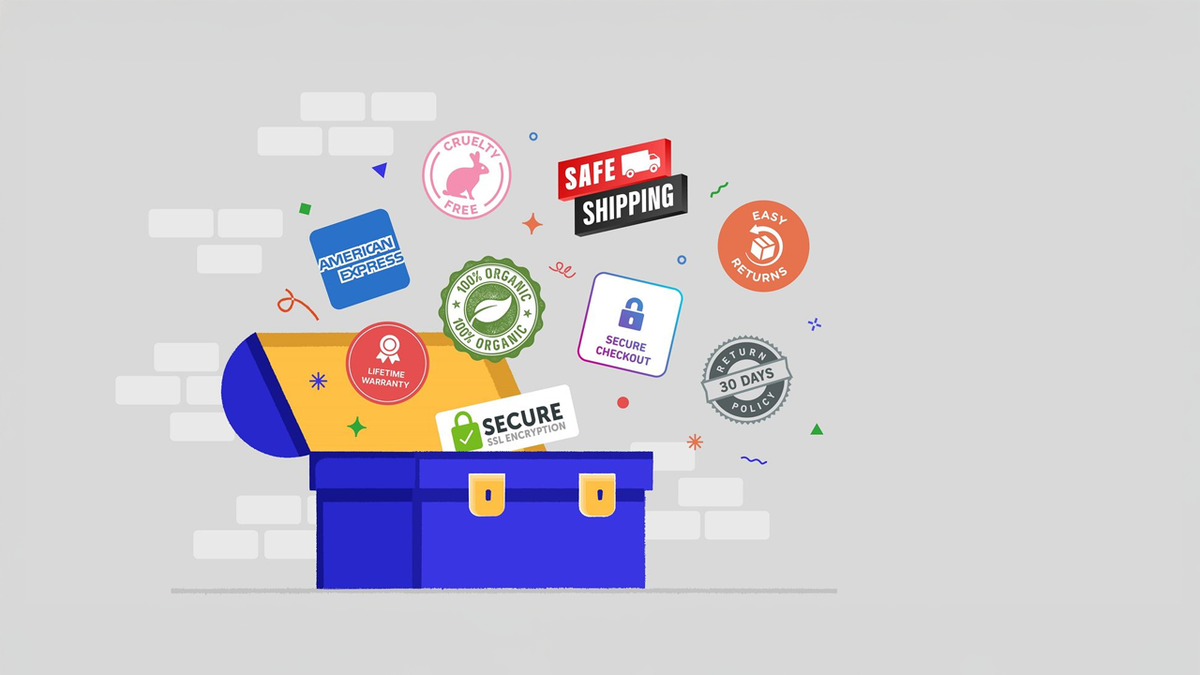
Certifications provide institutional SP by displaying official recognitions, security certifications, verification badges, or industry awards. While less personal than customer testimonials, these elements build foundational trust and credibility that supports other SP elements. However, be cautious of fake reviews and always ensure the authenticity of your trust signals to maintain credibility with your audience.
Online reviews
As is well known, reviews on platforms such as Google Reviews are crucial for building trust. Collecting reviews across multiple platforms, including Google, Facebook, Yelp, and TripAdvisor, helps establish credibility and provides a well-rounded view of customer happiness. This approach is especially important for local businesses seeking to influence purchasing decisions and build consumer trust.
How to Collect Social Proof as an Affiliate Marketer

Successful social proof collection requires systematic approaches that make it easy for happy customers to share their experiences while providing valuable content for your marketing efforts. The key lies in timing your requests strategically and offering clear value propositions for customer participation. Reaching out to your existing customer base for testimonials can showcase the size and loyalty of your audience, building trust and credibility.
Email outreach strategies
Email tends to form the foundation of most successful SP collection campaigns. The optimal timing for testimonial requests occurs 30–60 days post-purchase, when customers have had sufficient time to experience benefits but still maintain fresh enthusiasm about their positive experiences. Your outreach emails should be personal, specific about what type of feedback you’re seeking, include a personal touch in your requests, and emphasize how their stories will help other customers make informed decisions.
Incentivized feedback systems
These increase response rates by offering valuable rewards for customer participation. These incentives might include exclusive content, future purchase discounts, or entry into prize drawings. However, it’s crucial to maintain transparency about incentives to preserve authenticity and comply with advertising regulations. Collecting SP through these systems can also help attract new customers by demonstrating real satisfaction and engagement.
Social media monitoring
helps identify organic customer mentions and positive experiences that can be transformed into formal social proof with proper permission. Tools like Google Alerts or social media listening platforms can notify you when customers discuss your promoted products or services online.
Survey techniques
Surveys enable collection of detailed customer success stories by asking specific questions about challenges faced, solutions discovered, and results achieved. Well-designed surveys can generate rich testimonial content that captures the full customer experience while also providing valuable insights for improving your marketing strategy.
And... Remember Digistore24!
Digistore24 affiliate marketplace tools provides streamlined approaches for gathering customer feedback directly through the platform’s built-in communication systems. These tools often include automated follow up emails that can be customized with personal requests for testimonials or reviews.
The follow-up process plays a critical role in collection success. Rather than sending single requests, implement gentle reminder sequences that acknowledge busy schedules while emphasizing the value of customer feedback for helping others in similar situations.
Showcasing Social Proof in Your Affiliate Funnels

Strategic placement and presentation of social proof elements throughout your affiliate funnels maximizes their conversion impact while creating seamless user experiences that build trust progressively. (Read here to find out more on what a sales funnel is).
The key lies in matching specific types of social proof to corresponding stages of the customer journey.
Landing page optimization
The process begins with positioning compelling customer reviews near your primary call-to-action buttons where visitors make crucial decisions about proceeding further. Brief, impactful customer quotes work well in header sections, while longer testimonials can be featured prominently in dedicated sections that visitors encounter before reaching purchase decisions. Incorporating customer reviews and other trust signals directly on product pages — such as ratings, trust badges, and user-generated content — can significantly boost buyer confidence and reduce cart abandonment.
Email affiliate marketing strategies
You will benefit significantly from incorporating customer stories throughout your sequence. Rather than dedicating entire emails to social proof, weave testimonials and success stories naturally into your content to provide ongoing validation for your recommendations. Integrating a referral program within your email campaigns can further encourage sharing, leveraging incentives and social proof to drive customer acquisition and loyalty. This approach maintains engagement while consistently reinforcing credibility.
Social media content featuring real customer transformations
This works particularly well for visual platforms like Instagram and Facebook. Before-and-after photos, customer success videos, and shared testimonials create authentic content created by customers that encourages organic sharing and expands your reach to new potential customers.
Video testimonials and case study presentations

These provide comprehensive social proof that works effectively across multiple channels. These longer-form content pieces can be featured prominently on landing pages, shared through email campaigns, and promoted across multiple platforms, including social media, to maximize their impact.
Mobile Optimization
Mobile optimization ensures your social proof displays effectively across all devices. Consider that mobile users often have limited screen space and shorter attention spans. Condensed testimonials, thumbnail customer photos, and streamlined review displays work better than lengthy testimonials that require extensive scrolling.
Strategic timing of social proof presentation also influences effectiveness. Introduce lighter social proof elements early in your funnel to build initial trust, then progressively share more detailed testimonials and case studies as prospects move closer to purchasing decisions. Throughout the funnel, social proof increases customer engagement by encouraging interaction, fostering trust, and strengthening relationships with your audience.
Real Success Stories: Affiliate Marketers Winning with Social Proof

These documented case studies demonstrate the tangible impact that strategic social proof implementation can have on affiliate marketing performance and commission earnings.
Case Study 1: Fitness Affiliate Success
A great example of social proof in action, a fitness affiliate promoting workout programs through Digistore24 doubled their monthly commissions by implementing video testimonials featuring real customer transformations. The video testimonials not only showcased the brand’s product but also included customers showing before-and-after photos while describing their results.
By collecting 30-second videos from customers, they created compelling social proof that addressed common concerns about program effectiveness. The video testimonials were strategically placed on landing pages just above the purchase button, resulting in a 50% increase in conversion rates within 60 days.
Case Study 2: Business Coach Conversion Boost
A business coaching affiliate increased their conversion rates by 85% through systematic collection and display of detailed customer success stories. They developed a structured interview process with clients who achieved significant results, creating comprehensive case studies that included specific details such as revenue increases, business growth metrics, and personal testimonials.
These detailed success stories were featured prominently in email sequences and on dedicated landing pages, providing substantial validation for prospects considering similar investments in their business development.
Case Study 3: Digital Marketing Email Success
A digital marketing affiliate focused on email marketing tools boosted their email signup rates by 120% using social proof widgets displaying real-time customer activity. By implementing notifications showing recent signups, current user counts, and live customer testimonials, they created urgency and validation that encouraged immediate action.
The social proof elements were particularly effective when combined with limited-time offers, creating powerful psychological triggers that accelerated decision-making among prospective customers. As a result, these strategies also led to increased customer loyalty, with more users returning for additional services and upgrades.
Note: We would love to give you more details, but most Digistore24 affiliates value their privacy! And we fully respect their decision.
Overcoming Common Social Proof Challenges
Even well-intentioned social proof strategies encounter obstacles that can limit their effectiveness or create compliance issues. Understanding these challenges and implementing proactive solutions ensures your social proof efforts remain authentic, ethical, and impactful.
Handling negative reviews
Responding to negative reviews requires strategic approaches that turn potential credibility threats into trust-building opportunities. Rather than hiding or ignoring negative feedback, successful affiliate marketers address concerns publicly and transparently. Responding professionally to negative reviews demonstrates authenticity and commitment to customer satisfaction, often building more trust than exclusively positive feedback. Additionally, analyzing negative feedback provides valuable insights for improving future customer experiences and refining your marketing approach.
Increasing response rates
Testimonial requests often require testing different approaches and timing strategies. Personalized requests that reference specific customer interactions or purchases typically perform better than generic form letters. Explaining exactly how their testimonial will help other customers make informed decisions appeals to people’s desire to help others while positioning the request as community service rather than marketing assistance.
Verifying authenticity and maintaining compliance

This becomes increasingly important as regulations around advertising and endorsements continue evolving. With the rise of fake reviews, it is crucial to verify the authenticity of customer feedback to avoid misleading consumers. Implementing verification processes for customer testimonials, maintaining records of permission to use customer content, and clearly disclosing incentives provided for testimonials protects both your business and your customers.
Displaying verification badges on your website can further assure visitors of the legitimacy and security of your content and checkout process. Regular reviews of compliance requirements ensure your social proof strategies remain legally sound and ethically appropriate.
Dealing with limited customer feedback
New affiliate niches require creative approaches to generating initial social proof. Incorporating social proof from your existing customer base, such as sharing the size or engagement of your audience, can help build trust even with limited testimonials. Strategies include partnering with product creators to access existing customer testimonials, leveraging social media influencers for early reviews, and implementing referral programs that encourage existing customers to share their experiences in exchange for additional value.
Measuring Your Social Proof Impact
Effective measurement systems enable continuous optimization of your social proof strategies while demonstrating clear return on investment for your marketing efforts. The key lies in tracking both direct conversion metrics and broader engagement indicators that show how social proof influences customer behavior throughout your funnel.
- Key performance indicators for social proof effectiveness include conversion rates on pages featuring testimonials versus those without, click-through rates on emails containing customer stories, and engagement metrics on social media posts featuring user-generated content. Additionally, tracking time spent on pages with social proof elements and bounce rates can indicate whether your social proof is successfully maintaining visitor attention and interest. It’s also important to monitor how your social proof efforts are expanding your reach across a broader market and engaging a wider audience.
- A/B testing different social proof formats provides data-driven insights into what resonates most effectively with your target audience. Test variations might include written testimonials versus video reviews, detailed case studies versus brief quotes, or different placement positions for social proof elements. Systematic testing reveals which approaches generate the highest conversion rates and engagement levels for your specific audience and niche. (Pinpointing the right niche is crucial.)
- Analytics tools such as Google Analytics, heat mapping software, and conversion tracking platforms provide comprehensive data about how visitors interact with your social proof elements. Monitoring reviews and engagement across multiple platforms is essential to understand the full impact of your social proof strategy. Setting up goal tracking and conversion funnels enables precise measurement of how social proof influences the complete customer journey from initial visit to final purchase.
- ROI analysis for social proof initiatives involves comparing the costs of collection and implementation against the additional revenue generated through improved conversion rates. This analysis should account for both direct costs like incentives for testimonials and indirect costs such as time invested in collection and content creation. Most successful affiliate marketers find that social proof generates 3–5x return on investment through increased conversions and higher customer lifetime value.
Getting Started: Your 30-Day Social Proof Action Plan

This systematic implementation plan breaks down social proof development into manageable weekly goals that build momentum while creating comprehensive validation systems for your affiliate marketing efforts.
Week 1: Customer Identification and Outreach
Begin by identifying your most satisfied customers from recent purchases or interactions. Leverage your existing customer base for outreach, as showcasing the size and engagement of your customer base can build trust and credibility. Review your customer feedback, support tickets, and any existing testimonials to create a list of potential contributors.
Develop personalized outreach templates that explain your request clearly while emphasizing how their stories will help other customers. Send initial requests to 10–15 customers, focusing on those who have achieved notable results or expressed particular satisfaction with their purchases.
Week 2: Collection Systems and Workflow Development
Establish systematic processes for gathering and organizing customer feedback. Create simple forms or questionnaires that guide customers through providing useful testimonial content, including prompts for specific results, challenges overcome, and recommendations for others.
Set up automated follow-up emails for non-responders and develop templates for thanking contributors. Begin collecting any existing social proof assets like positive reviews, social media mentions, or case study materials.
Week 3: Implementation Across Marketing Channels
Integrate collected social proof elements throughout your marketing funnel, starting with your highest-traffic landing pages and most important email sequences. Add customer testimonials near call-to-action buttons, incorporate success stories into your email marketing campaigns, and create social media content featuring customer experiences. Ensure all social proof displays properly across desktop and mobile devices, optimizing for readability and visual appeal.
Integrate collected social proof elements throughout your marketing funnel, starting with your highest-traffic landing pages and most important email sequences. Add customer testimonials near call-to-action buttons, incorporate success stories into your email marketing campaigns, and create social media content featuring customer experiences. Ensure all social proof displays properly across desktop and mobile devices, optimizing for readability and visual appeal.
Week 4: Performance Measurement and Optimization
Implement tracking systems to measure the impact of your social proof elements on conversion rates, engagement metrics, and overall funnel performance. Use analytics tools to compare performance before and after social proof implementation, identifying which elements generate the strongest results. Begin planning expansion strategies based on initial results, including additional customer outreach, new social proof formats, broader implementation across your affiliate marketing efforts, and launching a referral program to encourage your satisfied customers to share your brand with their network. A referral program can help attract new customers and further strengthen your brand’s reputation.
Conclusion
By following this structured approach, you’ll establish a foundation for leveraging social proof that can dramatically improve your Digistore24 affiliate marketplace success while building long-term relationships with satisfied customers who become enthusiastic advocates for your recommendations.
FAQ
What is social proof?
Social proof is a psychological principle where people rely on the actions, opinions, and experiences of others to make decisions—especially when they feel uncertain. In affiliate marketing, it appears as customer reviews, testimonials, user-generated content, case studies, and endorsements that validate your recommendations.
Why is social proof so important for affiliate conversions?
Social proof reduces purchase anxiety and builds trust. Since most affiliate traffic is “cold,” visitors often hesitate before buying. Seeing real customers share positive results can increase confidence and shorten the decision-making process, often leading to 20–40% higher conversion rates compared to pages without social proof.
What types of social proof work best for affiliate marketing?
The most effective types include:
- Customer testimonials and video reviews
- User-generated content (UGC) like photos and social posts
- Case studies with clear before-and-after results
- Expert or influencer endorsements
- Online reviews and ratings
- Real-time purchase or signup notifications
Each type appeals to different buyer motivations and stages of the funnel.
How can affiliate marketers collect social proof?
Affiliates can collect social proof by:
- Sending post-purchase email requests (30–60 days after purchase)
- Using surveys to capture detailed success stories
- Monitoring social media mentions and requesting permission to reuse content
- Offering transparent incentives (bonuses, discounts, exclusive content)
- Leveraging affiliate platform tools (like automated follow-ups)
The key is making it easy for happy customers to share their experience.