

Scroll through any marketing forum and you'll find the same question popping up constantly: Is affiliate marketing on blogs actually dead? With AI-generated content flooding search results, Google's algorithm updates hitting affiliate-heavy sites hard, and social media creators eating into traditional blog traffic, it's a fair thing to ask.
The short answer is no — but the landscape has shifted dramatically. The affiliate marketing industry has grown to over $17 billion globally, and bloggers like Tom Dupuis of Online Media Masters still pull in $150,000+ annually. What has died is the low-effort approach: thin reviews, keyword stuffing, and copy-paste affiliate content. The blogs surviving — and thriving — are the ones doubling down on genuine expertise, real product testing, and trust-building over quick conversions.
A Deeper Dive
We’ve already covered the basics of making money with an affiliate marketing blog. Here, we’ll go deeper into the critical early-stage steps and outline a realistic path to profitability in your first month as an affiliate blogger.
Throughout this comprehensive guide, you’ll learn exactly how to start an affiliate marketing blog that generates real revenue. You’ll get actionable, implementation-ready insights on choosing a profitable niche, building your affiliate website, and creating content that converts visitors into sales. By the end, you’ll have a clear 30-day roadmap to launch your affiliate marketing journey with confidence.
Choose Your Profitable Affiliate Marketing Niche

Knowing how to choose your niche as a freelance digital marketer is vital. Selecting the right niche forms the foundation of your successful venture. The most profitable affiliates focus on specific niches where they can build authority and trust with their audience while promoting relevant products that align with their audience’s interests. To truly succeed in your chosen niche, it is essential to create high-quality content that demonstrates expertise, provides value, and builds credibility.
Step 1: Evaluate Your Passion and Expertise
Start by listing topics you’re genuinely passionate about or have personal experience with. Authentic affiliate marketing works best when you can share personal experiences and provide invaluable resource content based on real knowledge. Your genuine enthusiasm will translate into more engaging content and stronger audience connections.
Step 2: Research Market Demand and Profit Potential
Use Google Trends to analyze interest over time in your potential niches. Look for steady or growing search demand rather than declining trends. Amazon’s bestseller lists across categories also reveal which products people are actively purchasing, signaling strong affiliate sales potential.
Keyword research tools like Ahrefs or free options such as Google Keyword Planner help you identify search volume and competition for niche-related terms. Focus on keywords with 1,000+ monthly searches and manageable competition, giving you a realistic chance to rank and earn commissions.
If you’re a Digistore24 user, you can stay ahead of the curve by tracking high-performing offers and trending categories. Our regular content is designed to deliver insider affiliate insights, helping you spot opportunities while they’re still “pumping.”
Step 3: Analyze High-Converting Niches
Several niches consistently perform well for affiliates:
- Technology & Software: Software reviews, hosting comparisons, and productivity tool recommendations often yield high commissions
- Personal Finance: Credit cards, investment platforms, and financial education courses offer substantial commission opportunities
- Health & Fitness: Supplements, workout equipment, and fitness programs appeal to motivated buyers
- Home & DIY: Tools, home improvement products, and online courses serve homeowners actively seeking solutions
In some profitable niches, very few people are providing in-depth tutorials or solutions, which creates excellent opportunities for new affiliates to stand out and capture market share.
Step 4: Validate Your Niche Selection
Before committing significant time and resources, validate your niche choice by:
- Identifying at least 10 affiliate programs related to your niche
- Confirming commission rates meet your income goals (aim for programs offering $50+ per sale)
- Researching competitor blogs to understand content gaps you can fill
- Verifying your target audience actively searches for solutions you can provide
Create a simple validation worksheet listing potential affiliate programs, their commission structures, and cookie durations. Programs with 30-60 day cookie windows typically convert better than those with shorter tracking periods.
Build Your Blog Foundation for Success
Building a professional affiliate website requires the right technical foundation to support your long-term growth. Having your own website is essential, as it serves as the primary platform for affiliate marketing success — enabling easier monetization, brand promotion, and full control over your content and audience. As we touched on in the making money with an affiliate marketing blog piece, your blogging platform and hosting choice directly impact your site’s performance, search engine optimization potential, and ability to effectively manage affiliate programs.
Domain Name Selection
Choose a domain name that reflects your niche while remaining brandable and memorable. Avoid exact-match domains stuffed with keywords, as these can appear spammy to both search engines and visitors. Instead, focus on creating a brand name that builds trust with your audience.
Register your domain through reputable providers like Namecheap or directly through your hosting provider. Consider purchasing additional extensions (.net, .org) to protect your brand, though .com remains the gold standard for credibility.
Hosting Recommendations and Comparisons
Your hosting choice affects site speed, uptime, and overall user experience—critical factors for affiliate marketing success:
WP Engine offers enterprise-level features but costs significantly more than beginner-friendly options. For most new affiliates, Bluehost or SiteGround provide excellent value while supporting growth to substantial traffic levels.
WordPress Installation and Setup
WordPress powers the majority of successful affiliate marketing blogs due to its flexibility, SEO capabilities, and extensive plugin ecosystem. Most hosting providers offer one-click WordPress installation, streamlining the setup process for beginners.
After installation, complete these essential configuration steps:
- Update WordPress to the latest version for security and performance
- Configure permalink structure using “Post name” for SEO-friendly URLs
- Set up basic settings, including site title, tagline, and timezone
- Create essential pages: About, Privacy Policy, Contact, and Terms of Service
Essential Plugin Installation
Install these critical plugins to optimize your affiliate website:
- RankMath: Comprehensive SEO optimization with built-in features for affiliates
- ThirstyAffiliates: Professional affiliate link management, cloaking, and tracking
- OptinMonster: Email list building with targeted opt-in forms and exit-intent technology
- MonsterInsights: Google Analytics integration for tracking visitor behavior and affiliate performance. These analytics plugins are crucial because they help you track sales and monitor how well your affiliate links are converting, providing the data needed to optimize your affiliate strategy.
- WP Rocket: Caching and speed optimization to improve user experience and search rankings
Theme Selection for Affiliate Success
Choose a theme optimized for affiliate marketing with these characteristics:
- Mobile-responsive design for optimal user experience across devices
- Fast loading speeds that won’t hurt your search engine rankings
- Built-in review and comparison table functionality
- Integration with popular affiliate plugins
- Clean, professional design that builds trust with visitors
Popular affiliate marketing themes include GeneratePress, Astra, and specialized options like Affiliate Booster. Avoid overly complex themes with excessive features that can slow down your site and complicate content creation.
Develop Your Content Strategy and Add Affiliate Links for Maximum Conversions

Creating content that converts visitors into affiliate sales requires strategic planning around keyword research, content types, and SEO optimization. Content marketing plays a crucial role in driving affiliate sales and building authority in your niche. Successful affiliate marketing depends on providing valuable information that naturally leads readers toward affiliate products without feeling like a constant sales pitch.
Keyword Research for Affiliate Content
Effective keyword research targets terms with buyer intent rather than just high search volume. Focus on these keyword types:
- Product reviews (“ProductName review”, “ProductName vs Alternative”)
- Comparison terms (“Best ProductCategory”, “ProductA vs ProductB”)
- Buying guides (“How to choose ProductCategory”, “ProductCategory buying guide”)
- Problem-solving content (“How to solve Problem”, “Problem solution”)
Use free tools like Google Keyword Planner and Ubersuggest to identify high-potential keywords, then analyze the search intent behind each term. Keywords that signal research or comparison intent tend to convert far better for affiliates than purely informational searches.
High-Converting Content Types
Different content formats support different stages of the buyer’s journey. Publishing high-quality, intent-driven content is essential for generating traffic, qualifying for affiliate programs, and increasing your earning potential.
Product Reviews and Comparisons
In-depth product reviews that blend personal experience with objective analysis convert exceptionally well. Include pros and cons, pricing details, and clear guidance on who should (and shouldn’t) buy. Comparison posts are especially powerful for strategically placing affiliate links while helping readers decide.
Tutorials and How-To Guides
Educational content that teaches practical, valuable skills while naturally featuring affiliate products builds trust and authority. For example, a guide on “How to Start a WordPress Blog” can seamlessly include affiliate links to hosting providers, themes, and plugins.
Buying Guides and “Best Of” Lists
Comprehensive buying guides and “best of” lists attract high-intent traffic ready to purchase. Use clear categories, comparison tables, and detailed explanations to justify why each product earns its ranking.
YouTube Videos
Creating YouTube product reviews lets you demonstrate features visually and add affiliate links in descriptions. This format expands your reach, boosts brand visibility, and can significantly increase affiliate sales through engaging video content.
SEO Optimization Strategies
Optimize your affiliate content for search engines without sacrificing user experience:
- Target long-tail keywords with lower competition but high buyer intent
- Create comprehensive content covering topics thoroughly rather than surface-level
- Use semantic keywords related to your main target throughout the content
- Optimize meta titles and descriptions to improve click-through rates from search results
- Include relevant internal links to related affiliate content on your site
Content Calendar and Publishing Schedule
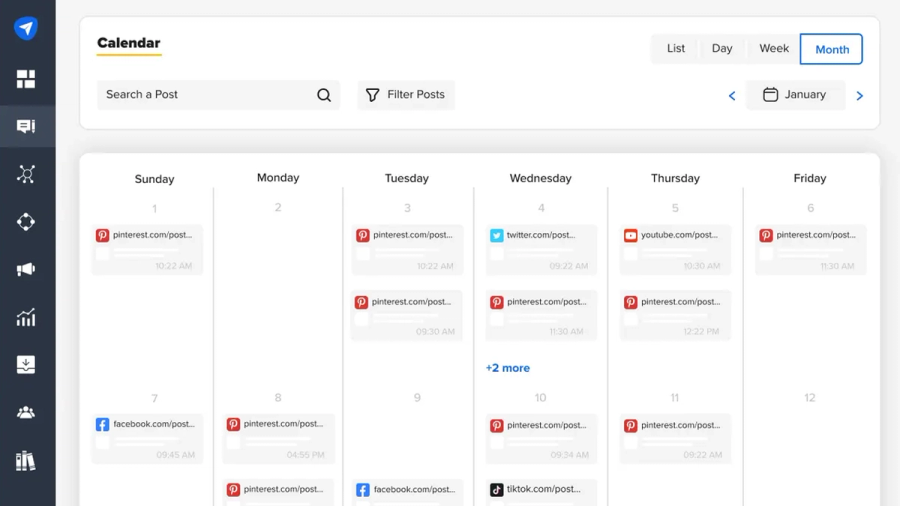
Consistency in publishing builds audience loyalty and improves search engine rankings. Plan your content calendar around:
- Product review schedule aligned with new releases and seasonal trends
- Evergreen content that remains relevant and continues driving traffic long-term
- Seasonal content targeting holiday shopping, back-to-school periods, and industry events
- Update schedule for refreshing older content with current information and new affiliate links
Aim to publish at least 2-3 high-quality posts per week rather than daily low-value content. Quality consistently outperforms quantity in affiliate marketing success.
Building Trust Through Authentic Content
Trust forms the cornerstone of successful affiliate marketing. Build credibility by:
- Sharing personal experiences with products you genuinely use and recommend
- Including honest drawbacks alongside positive aspects in product reviews
- Providing helpful content that serves readers even if they don’t purchase through your affiliate links
- Maintaining transparency about affiliate relationships through clear disclosures
- Responding to comments and engaging with your audience to build relationships
There is no way to overestimate the importance of Social Proof in driving organic growth. For our breakdown of that, see the article "What is Social Proof? Why you need your customers' help".
Proven Affiliate Blog Examples by Niche
Learning from successful affiliate marketing blogs across different niches offers actionable insights into effective strategies, content structures, and monetization techniques. These examples show how top affiliates build trust, create high-performing content, and generate significant affiliate revenue.
1. Technology & Software Review Blog
Technology affiliate blogs stand out by delivering in-depth software reviews, detailed comparisons, and practical tutorials that help professionals make informed purchasing decisions. This niche benefits from high-value affiliate programs and audiences actively searching for solutions.
Content Strategy Focus
Top tech affiliate blogs publish comprehensive software comparisons, hands-on tutorials, and honest reviews based on real usage. They promote products by blending deep analysis with strategic affiliate link placement, ensuring content remains both trustworthy and conversion-focused.
Content frequently includes screenshots, video demonstrations, and step-by-step guides that highlight product functionality while naturally integrating affiliate links.
Popular content formats include:
- Head-to-head software comparisons with feature matrices
- Tutorial series showing software implementation
- “Best of” lists for specific use cases or business sizes
- Industry trend analysis with product recommendations
Traffic Generation Strategies
Tech blogs drive traffic through technical SEO optimization, YouTube video integration, and thought leadership content. Many successful tech affiliates create video tutorials that complement written reviews, expanding reach across multiple platforms while providing valuable information.
2. Personal Finance & Investment Blog
Personal finance affiliate blogs attract an audience actively looking to improve their financial situation, making them highly motivated buyers for recommended products and services. These blogs focus on earning more and saving smarter, but success depends on building exceptional trust through transparency and demonstrated expertise.
Trust-Building Content Approach
Finance bloggers succeed by sharing personal financial journeys, offering actionable advice, and maintaining full transparency around their own decisions. High-performing content often includes calculators, detailed guides, and real-world case studies showing measurable financial improvements.
Effective content strategies include:
- Personal finance success stories with specific numbers and timelines
- Detailed product comparisons focusing on fees, features, and benefits
- Educational content explaining complex financial concepts simply
- Regular updates on personal investment performance and lessons learned
Credibility and Expertise Requirements
Financial affiliate content requires demonstrable expertise and often benefits from certifications or credentials. Many successful finance affiliates build credibility by sharing investment portfolios, spending trackers, and financial goal progress, reinforcing long-term audience trust.
3. Health & Fitness Lifestyle Blog
Health and fitness affiliate blogs tap into the massive global wellness industry, promoting supplements, equipment, and programs to audiences seeking real health improvements. Long-term success requires balancing authentic value with promotional content.
Content Strategy and Social Integration
Fitness affiliates thrive on transformation stories, workout plans, nutrition advice, and honest supplement reviews. Visual formats perform exceptionally well, with before/after photos, videos, and guides driving high engagement and conversions.
Key content pillars include:
- Detailed workout routines with equipment recommendations
- Nutrition guides featuring affiliate supplement recommendations
- Transformation case studies showing real results
- Product reviews based on personal testing and results
Affiliate Partnership Opportunities
Health and fitness offers diverse affiliate opportunities:
- Supplement companies: Protein powders, vitamins, and specialty supplements
- Fitness equipment brands: Home gym equipment with substantial commission potential
- Online coaching programs: High-ticket fitness and nutrition programs
- Fitness apps: Subscription-based workout and nutrition tracking applications
Some fitness brands also provide affiliates with a unique coupon code to share with their readers, offering an extra incentive for purchases and making it easier to track affiliate sales.
Social Media Marketing Integration
Platforms like Instagram and YouTube significantly amplify reach for fitness affiliates. Visual storytelling helps showcase results and drive traffic to affiliate blog content, especially when paired with consistent posting and cross-promotion.
4. Home & DIY Project Blog
Home improvement affiliate blogs serve homeowners and DIY enthusiasts actively purchasing tools, materials, and project resources. This niche benefits from seasonal demand and high-value product categories with strong commission potential.
Pinterest Marketing for Traffic Generation
Pinterest is a primary traffic source for many DIY affiliate blogs. High-quality project photos and before/after visuals drive users to detailed tutorials with affiliate links. Successful bloggers create Pinterest-optimized images and maintain consistent pinning strategies.
Scale Your Blog Traffic and Maximize Revenue

Scaling an affiliate blog requires systematic growth strategies across traffic, conversions, and revenue streams. To make real money with affiliate marketing, optimization is just as important as content creation.
SEO Strategies for Long-Term Growth
Organic search traffic provides the most sustainable foundation for affiliate success. Focus on topical authority, comprehensive coverage, and strategic internal linking.
Advanced Keyword Targeting
Move beyond basic keyword research to identify content gaps and opportunities:
- Target long-tail keywords with clear buyer intent
- Create topic clusters around main keywords to build authority
- Identify featured snippet opportunities for increased visibility
- Monitor competitor rankings to find content improvement opportunities
Technical SEO Optimization
Ensure your affiliate website meets technical requirements for optimal search performance:
- Optimize page loading speeds to under 3 seconds
- Implement proper schema markup for reviews and products
- Create XML sitemaps and submit to Google Search Console
- Fix crawl errors and broken affiliate links regularly
- Optimize images with descriptive alt text and compressed file sizes
Email List Building for Conversion Rate Improvement
Email marketing often delivers 25%+ higher conversion rates because subscribers already trust your recommendations. Building a list is essential for long-term affiliate revenue.
Lead Magnet Creation
Offer valuable free resources in exchange for email addresses:
- Comprehensive buying guides related to your affiliate products
- Exclusive discount codes for affiliate programs
- Free courses or tutorials showcasing affiliate tools
- Checklists and templates that complement affiliate recommendations
Email Sequence Automation
Create automated email sequences that nurture subscribers while promoting affiliate products:
- Welcome sequences featuring top recommendations
- Educational nurture emails with affiliate solutions
- Seasonal campaigns for promotions
- Re-engagement flows for inactive subscribers
Social Media Traffic Diversification
Reduce reliance on search engines by building platform-specific strategies where your audience already spends time.
Pinterest for Visual Niches
Pinterest excels for home improvement, health, finance, and lifestyle affiliate blogs:
- Create eye-catching pins featuring affiliate product benefits
- Join group boards relevant to your niche for expanded reach
- Use Rich Pins to display current pricing and availability
- Develop seasonal pinning strategies aligned with buying cycles
YouTube for Demonstration and Reviews
Video content builds trust and provides opportunities to demonstrate affiliate products:
- Create unboxing and review videos for physical products
- Develop tutorial content incorporating affiliate tool recommendations
- Build a YouTube channel around your niche expertise
- Cross-promote between video content and written blog posts
Conversion Optimization and Analytics
Systematically improve conversion rates through testing and optimization to maximize revenue from existing traffic rather than only focusing on traffic growth.
A/B Testing for Link Placement
Test different approaches to affiliate link integration:
- Compare conversion rates for text links versus button links
- Test affiliate link placement within content (beginning, middle, end)
- Experiment with different call-to-action phrases and urgency language
- Analyze performance differences between cloaked and direct affiliate links
Performance Tracking and Analysis
Monitor key metrics to identify optimization opportunities:
- Track clicks and conversions for each affiliate program through your affiliate dashboard
- Use Google Analytics 4 to understand visitor behavior and content performance
- Monitor which content generates the most affiliate revenue over time
- Identify seasonal trends and optimization opportunities
Use analytics tools to track sales from your affiliate links, so you can see exactly which strategies and content make money and optimize your affiliate approach accordingly.
Set up conversion tracking to understand which content drives actual sales rather than just clicks. This data enables you to focus optimization efforts on your highest-performing content and affiliate relationships.
Revenue Diversification Strategies
Successful affiliate marketers rarely depend on single income sources. Diversify revenue streams while maintaining focus on your core affiliate marketing business.
Multiple Affiliate Program Management
Managing affiliate programs across different networks and direct relationships requires organization and strategic focus:
- Track performance across all programs to identify top performers
- Negotiate higher commission rates with your best-performing affiliate relationships
- Test new affiliate programs regularly while maintaining proven performers
- Balance high-volume, low-commission programs with lower-volume, high-commission opportunities
Content Monetization Beyond Affiliate Links
Supplement affiliate income with complementary revenue streams:
- Display advertising through networks like MediaVine or AdThrive
- Sponsored content opportunities from brands in your niche
- Digital product creation leveraging your affiliate marketing expertise
- Consulting or coaching services for aspiring affiliate marketers
Focus on revenue streams that complement rather than compete with your affiliate marketing efforts. The goal is building a sustainable online business that provides multiple income sources while maintaining your primary focus on affiliate revenue generation.
Start Your Affiliate Marketing Blog Journey Today
You now have a complete roadmap for building a successful affiliate business from the ground up. The key to success lies not in perfect preparation, but in taking consistent action and learning from real experience as you build your affiliate website.
How to Start a Blog That Actually Works in 2026
Transform your affiliate marketing knowledge into a live, revenue-generating blog within the next month:
Days 1-7: Foundation Setup
- Choose your niche and validate it through keyword research and competitor analysis
- Register your domain and set up hosting with WordPress installation
- Install essential plugins and configure basic SEO settings
- Create your first piece of valuable content targeting a high-intent keyword
Days 8-14: Content Creation
- Publish 3-5 comprehensive pieces of content focusing on product reviews and buying guides
- Research and apply to 5-10 relevant affiliate programs in your niche
- Set up email capture forms and create your first lead magnet
- Begin building your social media presence on 1-2 key platforms
Days 15-21: Affiliate Integration
- Add affiliate links to your published content using proper disclosure practices
- Create your first comparison post featuring 3-5 competing products
- Start guest posting outreach to build backlinks and authority
- Set up Google Analytics and affiliate dashboard tracking
Days 22-30: Growth and Optimization
- Publish additional content targeting related keywords in your niche
- Launch your first email marketing sequence promoting your best affiliate recommendations
- Begin promoting your content through social media and relevant facebook groups
- Analyze your first month’s performance and identify optimization opportunities
Taking Action vs. Waiting for Perfect Conditions
The biggest mistake aspiring affiliate marketers make is waiting for perfect conditions before starting. The most successful affiliate marketing businesses begin with simple setups and improve over time through experience and optimization.
Start with basic WordPress themes and hosting rather than waiting to afford premium solutions. Create your first product reviews based on items you already own or can research thoroughly. Focus on providing valuable information to your audience rather than perfecting every technical detail.
Conclusion - Your Next Steps
Don’t let this knowledge sit unused. Take these specific actions within the next seven days:
- Choose your niche and write down three content ideas you can create immediately
- Register your domain and set up basic WordPress installation
- Research five affiliate programs in your chosen niche and begin application processes
- Write and publish your first blog post targeting a specific buyer-intent keyword
- Set up one social media account to begin building your audience
Remember that every successful affiliate started exactly where you are now.
The difference between those earning substantial passive income and those still dreaming about it is simply taking the first step on your affiliate marketing journey. The tools, strategies, and knowledge you need are all available. The only question remaining is whether you’ll take action or continue planning. Choose action, start affiliate marketing today, and take the first step toward building your own successful blog.
FAQ
Can you still make money with an affiliate blog in 2026?
While results vary, many beginners can start seeing their first affiliate commissions within 30–90 days if they follow a focused strategy: choosing a validated niche, targeting buyer-intent keywords, and publishing high-quality content consistently. Long-term, affiliate blogs compound over time, making them ideal for sustainable passive income.
Do I need to be an expert to start an affiliate marketing blog?
No. You don’t need to be an expert—you need to be one step ahead of your audience and committed to learning. Successful affiliate bloggers often document their journey, test products honestly, and provide practical solutions. Credibility is built through transparency, research, and real-world experience over time.
What type of content converts best for affiliate marketing?
Content with clear buyer intent performs best, including:
- Product reviews and comparisons
- “Best of” and buying guides
- Tutorials that naturally feature affiliate tools
- Problem-solving articles tied to specific solutions
These formats attract readers who are already close to making a purchase decision.
Is SEO really necessary, or can I rely on social media traffic?
SEO isn’t mandatory, but it is the most sustainable and scalable traffic source for affiliate blogs. Social platforms like YouTube, Pinterest, and Instagram are excellent for diversification, but search traffic provides long-term visibility and consistent conversions without daily posting pressure.
How many affiliate programs should I join when starting?
Start with 5–10 high-quality affiliate programs directly related to your niche. Focus on programs with solid commission rates, reliable tracking, and products you genuinely trust. As your blog grows, you can expand and negotiate higher commissions with top-performing partners.


