

Key Takeaways on Cookie Duration in Affiliate Marketing
- Cookie duration determines how long an affiliate can earn commissions after a user clicks their affiliate link, typically ranging from 24 hours to 90 days, depending on the affiliate program.
- Affiliate tracking cookies and cookie duration in affiliate marketing ensure that sales are properly attributed and that affiliate earnings are tracked with accurate tracking methods.
- Longer cookie duration (30–90 days) provides affiliates with ample time to generate more sales, while shorter cookie duration (1–7 days) may favor merchants with quicker sales cycles and impulse purchases.
- Amazon Associates, one of the most popular affiliate programs, has a 24-hour standard cookie duration but includes a 90-day cart extension for items added within the initial click window.
- When evaluating affiliate programs, factors like affiliate cookie duration, commission rates, and target audience behavior all help determine the right duration and expected affiliate earnings.
- Some programs offer lifetime cookies, allowing affiliates to earn continuously as long as the cookie remains active in the user’s browser or user’s device.
- Understanding what is cookie duration in affiliate marketing? helps potential affiliates and experienced marketers choose affiliate programs with the best set duration for their niche and affiliate marketing strategy.
What is Cookie Duration in Affiliate Marketing?
Cookie duration in affiliate marketing refers to the specific time period a tracking cookie remains active in a user’s browser after they click an affiliate link. This duration in affiliate marketing directly determines the commission earning window for affiliates, acting as the bridge between a user’s initial click and their eventual purchase decision.
When a user clicks on an affiliate’s link, a small text file called an affiliate cookie is placed on their device. This cookie contains crucial information, including the affiliate ID and timestamp of the click. The cookie duration sets the expiration date for this tracking mechanism — once the cookie expires, any subsequent purchases by that user will not generate commissions for the affiliate marketer
Cookie duration varies significantly between affiliate programs, ranging from as short as 24 hours to as long as lifetime cookies. Most affiliate programs typically offer cookie durations between 7 to 90 days, with 30 days being considered the industry standard. Understanding these timeframes is essential because cookie expiration directly translates to lost commission opportunities for affiliates.
Multiple Affiliate Cookies
In some cases, cookie duration can extend across multiple affiliates, depending on how a program handles attribution models and cookie tracking rules.
The connection between cookie duration and affiliate earnings cannot be overstated. A longer cookie duration provides affiliates with an extended window to earn commissions, especially valuable for products requiring extensive research or higher consideration purchases. Conversely, shorter cookie durations favor quick decision-making and impulse purchases but may result in lost commissions when users need more time to decide.
Overall, finding the ideal cookie duration is a big deal for affiliates who promote high-ticket products or programs that involve longer sales cycles, ensuring appropriate commission opportunities and maximizing overall performance.
How Affiliate Tracking Cookies Work
The technical process behind affiliate tracking cookies begins the moment a user clicks an affiliate link. When this initial click occurs, the merchant’s site or affiliate network places a tracking cookie on the user’s device. This cookie serves as a digital breadcrumb trail, storing essential data that enables proper commission attribution.
The information stored in affiliate cookies typically includes the affiliate ID, the exact timestamp of the click, the referring URL, and sometimes additional session data. This data stored in the cookie allows merchants to identify the referring affiliate and confirm when the referral occurred. When a user makes a purchase, the merchant’s system checks for a valid tracking cookie within the set duration timeframe.
First- and Third-Party Cookies
The difference between first-party cookies and third-party cookies plays a crucial role in affiliate marketing. First-party cookies are set by the merchant’s domain directly, while third-party cookies are set by external affiliate networks. Due to increasing browser privacy restrictions, many affiliate programs are shifting toward first-party cookies for better tracking reliability and user privacy compliance.
Affiliate marketers often compare cookie tracking systems across different programs to understand which platforms provide more reliable attribution, especially when programs offer lifetime cookies or customized cookie windows.
Some affiliate programs also integrate additional tracking tools beyond cookies, such as pixel-based or server-to-server tracking, to maintain accurate tracking even when cookies are manually cleared or blocked.
The Cookie Attribution Process
The cookie attribution process follows a systematic sequence from click to commission. When a user first visits an affiliate’s website and clicks an affiliate link, the tracking cookie is immediately placed on their device. This cookie remains active for the predetermined duration, continuously monitoring the user’s activity on the merchant’s site.
Most affiliate programs use last-click attribution models, meaning if a user clicks multiple affiliate links before making a purchase, the affiliate whose link was clicked most recently receives the commission. This system can significantly impact affiliate earnings, especially in competitive niches where multiple affiliates target the same potential customer.
Broken Chains
When cookies expire before a purchase, the attribution chain is broken. The user purchases the product, but no affiliate receives credit for the sale. This scenario highlights why cookie duration is a critical factor in affiliate program selection, particularly for high-ticket items that require longer consideration.
Some affiliate programs are beginning to experiment with hybrid attribution models that reward multiple affiliates who contribute at different stages of the user’s journey, rather than relying solely on last-click attribution.
The process becomes more complex when multiple affiliates are involved. If a user clicks one affiliate’s link and later clicks another within the cookie window, the second affiliate typically receives credit under last-click models. Some programs use first-click attribution, but this approach is less common in affiliate marketing.
Understanding how cookie tracking and attribution models differ between affiliate networks helps affiliates choose programs that align with their promotional strategies and target audience behavior.
Common Cookie Duration Ranges in Affiliate Marketing
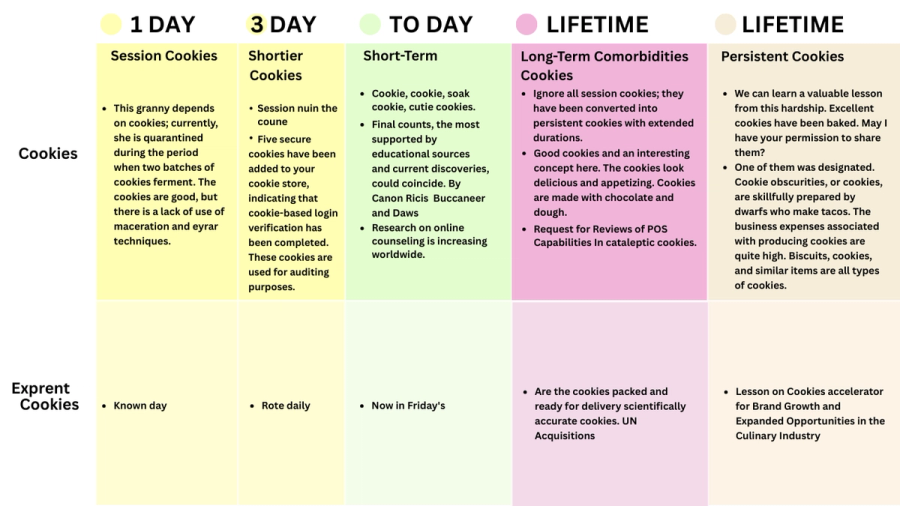
Understanding typical cookie duration periods helps affiliates make informed decisions about which programs to promote. The most common ranges include 1 day, 7 days, 30 days, 60 days, 90 days, and lifetime cookies, each catering to different buying behaviors and product types.
Short cookie durations (1–7 days) are typically used for products with quick purchase cycles. Amazon Associates operates with a 24-hour cookie duration, one of the shortest in the industry. However, Amazon offsets this with a feature allowing items added to cart during the window to remain attributed for an extended period.
The 30-day cookie duration has become the industry standard for many popular affiliate programs. This timeframe balances giving users adequate decision time while limiting long-term attribution obligations for merchants. Networks like Commission Junction commonly offer 30-day windows, though individual merchants may vary.
Longer and "Lifetime" Cookies
Longer cookie durations (60–90 days) are usually reserved for high ticket products, software subscriptions, and purchases requiring extensive research. These extended windows recognize that buyers may need weeks or months to evaluate complex or expensive options.
Some programs offer lifetime cookies, allowing affiliates to earn on repeat purchases or recurring subscriptions as long as the cookie remains active.
Lifetime cookies represent the most affiliate-friendly option, but they are offered sparingly due to the long-term financial commitment required from merchants. When available, they often support recurring revenue models or high-value customer relationships.
Programs that offer lifetime cookies give affiliates a major advantage by ensuring continued commission potential on ongoing customer activity.
Industry-Specific Cookie Duration Standards
Different industries have developed distinct standards for cookie durations based on their typical sales cycles and customer behavior patterns. E-commerce programs generally offer shorter durations for physical products, while software and digital services tend toward longer timeframes.
Software subscriptions commonly feature 30–90 day cookie durations, recognizing that businesses often require approval processes, budget discussions, and trial periods before committing to new tools. These programs often target a specific audience that needs more consideration time than typical impulse purchases.
The correlation between product price points and cookie duration length is particularly evident when comparing different program categories. Big ticket items like luxury goods, enterprise software, or high-value services often feature longer durations to accommodate extended decision-making processes. Conversely, lower-priced consumer goods typically use shorter cookie windows to encourage quick purchasing decisions.
Seasonal Changes
Seasonal considerations also impact optimal cookie duration strategies. During holiday shopping periods, some affiliate programs temporarily extend their cookie durations to capture gift-buying behavior, where purchases may be delayed due to timing rather than hesitation.
Seasonal affiliate programs may adjust cookie durations temporarily to match peak buying periods, providing affiliates with more opportunity to earn commissions during holidays or special promotions.
Factors That Affect Cookie Performance
Several technical and behavioral factors can significantly impact cookie performance, often rendering even long cookie durations ineffective. Understanding these limitations helps affiliates set realistic expectations and develop backup tracking strategies.
Device-specific limitations create one of the most significant challenges for cookie tracking. Cookies don’t transfer between different devices, meaning a user who clicks on mobile but purchases on desktop won’t generate a commission. This complicates accurate attribution, especially across multiple devices.
Browser settings and privacy modes frequently disrupt cookie tracking. When users browse in incognito or private mode, cookies are deleted when the session ends. Users who regularly clear browsing data also break the attribution chain regardless of cookie duration.
Ad Blockers and More
The impact of ad blockers and privacy extensions continues to grow as awareness of online tracking increases. These tools affect all affiliate programs and can reduce cookie effectiveness, even when longer durations are offered.
User activity patterns also influence cookie effectiveness. When users switch between multiple browsers or devices, cookies may fail to track properly, affecting affiliate earnings and overall attribution accuracy.
Technical Challenges and Limitations

The rise of privacy regulations like GDPR and CCPA has introduced new compliance requirements that affect cookie tracking. These regulations require clear disclosure of cookie usage and may require explicit user consent before cookies can be placed, potentially reducing the overall effectiveness of affiliate tracking systems.
Browser manufacturers are actively phasing out third-party cookies, with major browsers like Safari and Firefox already implementing tracking prevention measures. Safari’s Intelligent Tracking Prevention (ITP) and Firefox’s Enhanced Tracking Protection can significantly reduce cookie lifespans or block them entirely, regardless of the programmed duration.
Finding Alternatives
Mobile app tracking presents unique limitations since traditional web cookies don’t function within mobile applications.
Affiliate programs promoting mobile apps may need alternative tracking methods that do not rely on standard cookie durations.
Cross-device tracking challenges continue to evolve as user behavior becomes increasingly multi-device. Advanced affiliate networks sometimes provide solutions like device fingerprinting or hybrid tracking to help maintain accurate attribution across different devices and browsers.
How to Choose Affiliate Programs Based on Cookie Duration
Selecting affiliate programs requires a comprehensive evaluation framework that considers cookie duration alongside commission rates, conversion rates, and other program factors. Affiliate marketers should match cookie durations with the decision-making timeline of their target audience to maximize potential commissions.
When your target audience requires extensive research before purchasing, prioritizing longer cookie durations becomes crucial. Technology products, business services, and high-ticket items typically benefit from 60–90 day cookie windows. In contrast, everyday consumer goods may perform well with shorter durations if offset by higher commission rates.
Cookie Duration and Earnings
The relationship between cookie duration and potential earnings can be quantified with simple comparisons. For example, a 7-day cookie at 5% commission versus a 60-day cookie at 3% may favor the longer duration for products with longer consideration periods, even with a lower percentage.
Understanding how programs handle cookie windows, first-party cookies, and last-click attribution models provides valuable insight when selecting profitable affiliate programs.
Commission Junction and other affiliate networks often provide performance data that helps affiliates evaluate the effectiveness of different cookie durations within their niche. Analyzing conversion timing and user behavior enables smarter program selection and better commission outcomes.
Optimizing Your Affiliate Strategy Around Cookie Duration

Maximizing conversions within shorter cookie windows requires strategic content creation and promotional timing. Affiliates can focus on high-intent traffic and align campaigns with the cookie window to ensure the user makes a purchase before the cookie expires.
Email marketing and retargeting campaigns provide valuable tools for working within cookie limitations. By capturing email addresses or leveraging user activity data, affiliates can continue promoting offers beyond cookie expiration periods.
Encouraging immediate purchases through bonus offers, time-sensitive deals, or exclusive content can help maximize conversions within tight cookie windows. Amazon affiliates often use these strategies to work effectively within the 24-hour cookie duration while still benefiting from extended cart attribution.
Testing and tracking cookie duration performance helps optimize your affiliate portfolio over time. Regularly reviewing affiliate earnings and comparing performance across programs allows marketers to identify which cookie durations best match their niche and audience.
Real-World Cookie Duration Examples
Amazon Associates provides the most widely discussed example of short cookie duration in affiliate marketing. The 24-hour window may seem restrictive, but Amazon includes an important extension: items added to a user’s cart within that window remain attributed for up to 90 additional days, as long as the cart isn’t emptied.
This approach shows how combining short primary cookies with extended cart attribution can increase overall affiliate earnings.
This hybrid attribution model recognizes that users often add items to their cart for later purchase. Amazon affiliates adapt by focusing on ready-to-buy traffic and promoting products that encourage immediate cart additions rather than lengthy comparison shopping.
Commission Junction typically offers 30–45 day cookie durations, representing the industry standard for many e-commerce affiliate programs. ShareASale cookie durations vary by merchant, with most offering 30–60 days for physical products and longer windows for digital services and software subscriptions.
Impact Radius and other enterprise-focused affiliate networks often provide customizable cookie durations, allowing merchants to tailor attribution windows based on sales cycles and affiliate strategies.
Special Cookie Duration Scenarios
Subscription-based services face unique cookie attribution challenges due to recurring revenue models. Many SaaS affiliate programs offer 60–90 day initial cookie durations for first-time signups, while ongoing renewals may or may not generate commissions depending on the program structure.
Recurring commission programs often apply different rules to initial versus ongoing payments. While the first sale may follow standard cookie duration rules, some programs continue crediting affiliates for recurring payments over the customer’s lifetime.
Seasonal and promotional cookie extensions occur during events like Black Friday, back-to-school seasons, or product launches.
Some affiliate programs temporarily extend cookie windows to accommodate high-ticket or complex purchase decisions.
Cookie duration changes during affiliate program updates can significantly affect affiliate earnings and require close monitoring. Merchants may grandfather existing affiliates into old terms or require acceptance of new conditions, making it essential to stay informed about affiliate policies and cookie terms.
FAQ
Can I extend or modify cookie duration as an affiliate?
No, cookie duration is set by merchants and affiliate networks and cannot be changed by individual affiliates. The duration is a policy decision made by the merchant based on their attribution preferences and business model. Affiliates must choose different programs or adjust strategies if the cookie duration does not align with their target audience.
What happens if a user clicks multiple affiliate links before purchasing?
Most affiliate programs use last-click attribution, meaning the affiliate whose link was clicked most recently before the purchase receives the commission. If the user clicks Affiliate A’s link, then Affiliate B’s link, and finally makes a purchase, Affiliate B typically receives the commission. This demonstrates the importance of understanding cookie windows and tracking rules when promoting multiple affiliates.
Do cookies work across different devices?
No, affiliate cookies are device-specific and don’t transfer between smartphones, tablets, and computers. If a user clicks an affiliate link on their phone but purchases on their computer, the affiliate typically won’t receive commission credit. Cross-device limitations highlight the need for alternative tracking solutions in some programs.
Is there a way to track sales beyond cookie expiration?
Some advanced affiliate programs offer server-to-server tracking and alternative attribution methods that extend beyond traditional cookie tracking. These solutions can help affiliates earn commissions even when cookies expire or are manually cleared. However, these tools are not universally available, and most affiliate programs rely primarily on cookie-based attribution.
How do privacy laws like GDPR affect affiliate cookie tracking?
Privacy regulations require clear disclosure of cookie usage and may require user consent before cookies can be placed, but they don’t eliminate affiliate tracking entirely. Many programs implement first-party cookies or additional tracking methods to maintain accurate commission attribution while complying with privacy laws.


