

For twenty years, I was the affiliate. I promoted other people's products, earned commissions, and built my business around recommending things I believed in. I understood the affiliate side of the equation inside and out.
Then Rachel Miller and I launched Pagewheel — an AI-powered SaaS platform that helps creators build digital products, sales pages, and marketing funnels. It's a monthly subscription, which means recurring revenue for us and, importantly, recurring commissions for our affiliates. Suddenly I was on the other side. I was the business owner setting up the affiliate program, deciding commission rates, and learning what it actually looks like to grow a company through partners instead of just being one.
We set our affiliate commission at 30% recurring. That means as long as the customer stays on the platform, the affiliate keeps earning. For affiliates, that's the dream — one referral that pays them month after month without any additional work. Some months, our top affiliates earn more per customer than we do. And I wouldn't change a thing — because what I learned when I crossed to the other side is that the benefits of an affiliate program go far beyond just "more sales."
The Affiliate of 2026 Is Not Who You Think
If you're picturing affiliates as bloggers with banner ads, you're about five years behind. The affiliate landscape has completely transformed alongside the influencer economy.
Today's affiliates are content creators with loyal audiences on YouTube, Instagram, TikTok, and podcasts. They're newsletter writers with engaged subscriber lists. They're community builders with Facebook groups and Discord servers. They're course creators who recommend complementary tools to their students. Some of them have audiences larger than major media companies.
And then there's an entirely different category: paid media specialists. These are affiliates who don't have audiences at all — they have expertise in running profitable ads. They'll take your product, build campaigns on Facebook or Google or YouTube, and drive targeted traffic directly to your sales page. They're not influencers. They're performance marketers. And they can scale your brand faster than almost anything else.
"Predicting what's happening in the future would be very hard; the trick is understanding traffic sources — Google, TikTok, giant tech companies — where are they going? That's where affiliate marketing is going to be." — Luigi Florimo, Director of Affiliate Sales, Digistore24
The point is: when you open an affiliate program today, you're not just getting bloggers. You're getting access to an entire ecosystem of skilled marketers who each bring something different to the table.
Why Performance-Based Growth Changes Everything
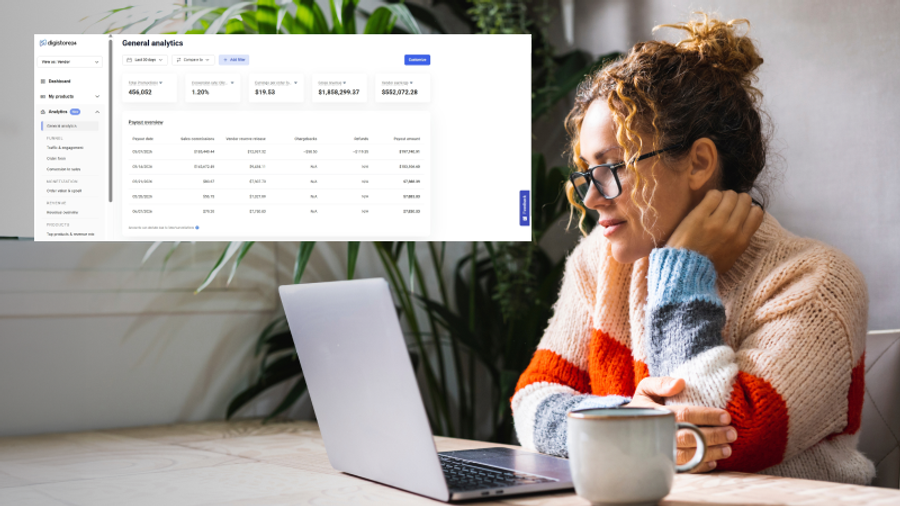
Here's what I love about the affiliate model from the business side: you only pay when a sale is made.
Compare that to running ads, where you're spending money upfront and hoping the algorithm cooperates today. Or hiring a sales team, where you're paying salaries regardless of results. Or sponsoring influencers with flat fees and no guarantee of conversions.
With affiliates, your marketing costs scale directly with your revenue. There's no wasted spend. There's no risk of burning through budget on a campaign that doesn't convert. Every dollar you pay out in commissions is attached to actual revenue that already came in.
For a growing business, that's not just efficient — it's survivable. You're not betting the company on whether your next ad campaign works. You're building a sales channel that funds itself.
"The affiliate model is the most honest way of selling something. You only get paid if you make the sale." — Luigi Florimo, Director of Affiliate Sales, Digistore24
Audiences You'd Never Reach on Your Own
This is the part that surprised me most when I switched from being an affiliate to having affiliates.
I have a large audience. Rachel has a large audience. Between us, we can reach a lot of people. But our affiliates reach people we would never have found on our own. They're in niches adjacent to ours. They speak to audiences who have the same problems but discovered them through completely different paths.
One affiliate might be a productivity YouTuber whose audience needs digital products but has never heard of Pagewheel. Another might be a business coach whose students need a simple way to create lead magnets. A third might be running paid ads in markets we haven't even considered entering.
Each affiliate is essentially a door into a new audience. And because they're recommending your product within the context of their own trusted relationship, the conversion rates are often better than anything you could achieve with cold traffic.
The Paid Media Advantage
I want to talk specifically about affiliates who run paid traffic, because this is a massive opportunity that most business owners don't fully understand.
A skilled paid media affiliate can take your product and scale it in ways that would take you months to figure out on your own. They know the platforms. They know how to build creatives that convert. They know how to optimize campaigns and manage spend profitably.
The key thing to understand is that brands typically want one or two strategic paid partners per platform — not thirty affiliates all flooding Facebook with the same offer. These are premium partnerships. The affiliate invests their own money in ads, takes on the risk of testing, and only earns when they generate sales.
For your business, this means someone else is funding your customer acquisition. They're spending their money to bring you customers, and you only pay them after the sale is complete. That's an extraordinary deal.
On Digistore24, the Facebook CAPI tool makes this even more powerful — it passes conversion data directly back to Facebook's algorithm even after iOS privacy updates, which means paid affiliates can optimize their campaigns more effectively. Better optimization means more profitable campaigns, which means they keep promoting your product longer.
Scaling Worldwide Without the Headaches
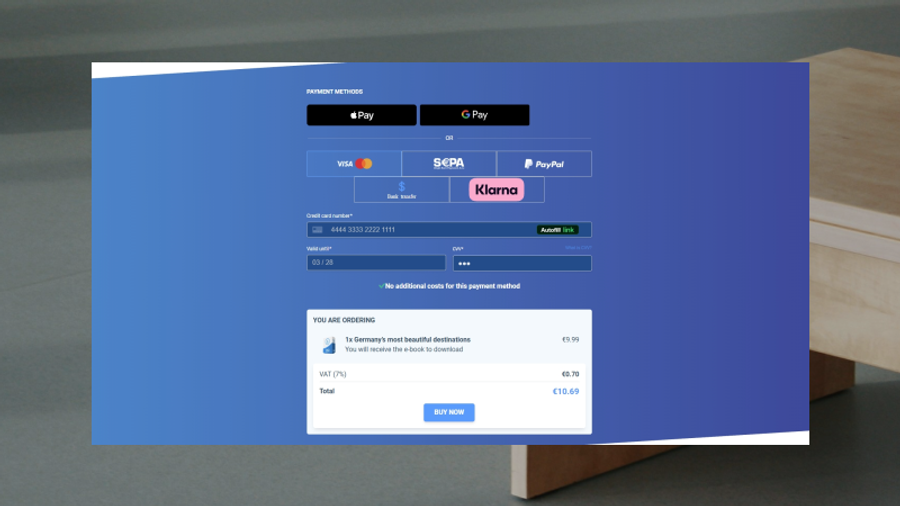
Here's something I didn't fully appreciate until I was on the vendor side: selling internationally is complicated. Different tax laws, different currencies, different payment preferences, different compliance requirements.
When I was just an affiliate, I didn't think about any of that. I promoted a product, someone bought it, I got paid. Simple.
As a business owner? Suddenly I'm dealing with VAT in Europe, sales tax in the US, payment processing across borders, and the question of whether I need to register my business in every country where someone might buy my product.
And let's be honest — international tax compliance is genuinely complicated. Most of us just avoid the issues and hope we don't get caught. That's not a business solution. That's a ticking time bomb. Eventually it catches up with you, and by then the penalties are worse than if you'd just handled it from the start.
This is where the Merchant of Record model becomes genuinely valuable. On Digistore24, they handle the entire payment stack across 180 countries and 14 currencies. They calculate and remit VAT, sales tax, and GST automatically. They process payments through local banks in local currencies — which actually increases acceptance rates because transactions don't get flagged as foreign.
As a vendor, I receive my earnings net of taxes. The compliance obligation sits entirely with Digistore24. I don't need to register internationally. I don't need to hire a tax attorney in Germany. I just sell my product and let the platform handle the rest.
"Went from a $60K investment to $300M/year in revenue." — Francis Wolff, CEO, Digistore24 USA (on what's possible when the infrastructure handles the complexity)
For context: Digistore24's transaction fee is 7.9% + $1 per sale. That covers payment processing, tax handling, invoicing, affiliate management, fraud detection, and customer billing support. There are no monthly fees and no setup costs. You only pay when you make money.
What Affiliates Actually Need From You
Having been an affiliate for two decades before becoming a vendor, I can tell you exactly what makes me say yes to promoting a product — and what makes me walk away.
A product that delivers. I won't recommend something I don't believe in. Period. And neither will any affiliate worth having.
Real commission rates. If you're offering 5% on a $47 product, you're not going to attract serious partners. Digital products can afford 30-50% commissions. Make it worth their time.
Marketing materials that actually help. Swipe files, social media assets, email sequences, product information. On Digistore24's marketplace, most products have resource pages with all of this. It makes a real difference — even if the materials aren't exactly what I'd write, they spark ideas and save me from starting with a blank page.
Reliable tracking and fast payouts. Nothing kills an affiliate relationship faster than wondering whether your sales are being tracked correctly. Digistore24's S2S tracking and 180-day cookie handle this, and payouts up to three times per week mean affiliates aren't waiting around for their money.
A real relationship. The best affiliate programs aren't transactional. They're partnerships. The vendor communicates, provides updates, offers support, and treats affiliates like the revenue-generating partners they are.
"With AI, people are trying to automate this process or that process, but people really appreciate the human aspect of business. It's still really important." — Francis Wolff, CEO, Digistore24 USA
The Compounding Effect
Here's what nobody tells you about affiliate programs: they compound.
Your first few affiliates might bring modest results. But as your product proves itself — as affiliates see their commissions come in reliably, as customers get results, as word spreads — more affiliates want in. Better affiliates. Affiliates with bigger audiences, more expertise, more reach.
And unlike ad spend, which stops working the moment you stop paying, affiliate relationships build over time. An affiliate who promotes your product once and sees good results will promote it again. And again. They'll mention it in their content naturally because it's genuinely useful to their audience.
That's the real benefit of an affiliate program. Not just the immediate sales — though those are great. It's the long-term, compounding growth of having dozens or hundreds of partners who are all incentivized to help your business succeed.
FAQ
What are the main benefits of an affiliate program for businesses?
Performance-based growth (you only pay for actual sales), access to new audiences you couldn't reach alone, reduced marketing risk, and scalable revenue that grows without proportional increases in overhead.
How much should I pay affiliates?
For digital products, 30-50% is standard and competitive. The key is making commissions attractive enough to draw quality partners while maintaining your margins. Recurring commissions (for subscription products) are especially attractive to affiliates.
Do I need a large product catalog to start an affiliate program?
No. Even a single product can support a successful affiliate program if it solves a real problem and converts well. Many of the highest-earning affiliate programs on Digistore24 are built around one core offer with upsells.
How do I find affiliates for my product?
List your product on a marketplace like Digistore24 where affiliates are already browsing for products to promote. You can also recruit directly through your network, at industry events, and through your existing customers (who are often your best advocates).
What's a Merchant of Record and why does it matter?
A Merchant of Record handles all payment processing, tax compliance, and financial liability for your transactions. It means you can sell globally without registering in every country, handling VAT yourself, or managing payment infrastructure. Digistore24 operates as the MoR for all transactions on its platform.


