

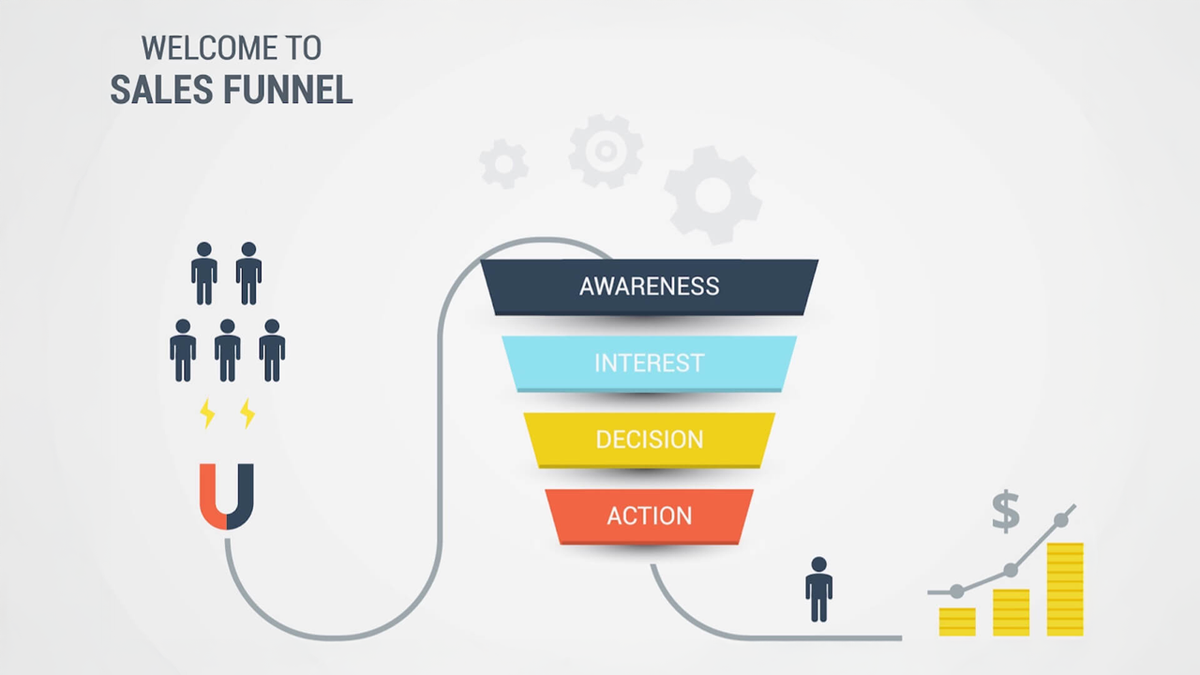
Businesses using marketing automation see hundreds of percent more qualified leads than those relying on manual sales processes. While your competitors struggle with time-consuming follow-ups and missed opportunities, automated sales funnels work around the clock to convert website visitors into paying customers. A sales funnel represents the stages of the customer journey, illustrating how prospects move from initial awareness to becoming loyal customers.
An automated sales funnel transforms how businesses generate and nurture leads by eliminating the bottlenecks that plague traditional sales teams. Instead of manually tracking every prospect and sending individual follow-up emails, automation handles the entire customer journey from initial contact to final purchase — and beyond. The top of the funnel is the awareness stage, where your focus is on attracting potential leads and generating interest in your brand.
Unlike traditional approaches, automated systems streamline both the marketing funnel and the sales funnel. The marketing funnel focuses on attracting and nurturing leads through content and engagement before they enter the sales process, while the sales funnel guides them toward conversion.
Read on to discover the What, the Why and (above all) the How of automated funnels for online sales!
What Is an Automated Sales Funnel?

An automated sales funnel is a technology-driven system that systematically guides potential customers through your sales process without requiring manual intervention at every step. Unlike traditional sales approaches where sales reps handle each interaction personally, an automated sales funnel uses automation tools to deliver the right message to the right person at the right time.
The core mechanism combines automated email campaigns, behavioral triggers, and lead scoring to create a seamless customer experience that operates 24/7. When a website visitor downloads your lead magnet, the automation software immediately adds them to a nurturing sequence, tracks their engagement, and delivers personalized content based on their actions. Automated sales funnels help convert potential leads into paying customers by guiding them through each stage of the funnel with targeted messaging and timely follow-ups.
Traditional sales funnels require constant human oversight. Sales teams manually follow up with leads, remember to send follow-up emails, and try to track where each prospect stands in the buying process. This approach doesn’t scale efficiently and often results in missed opportunities when prospects don’t receive timely responses.
Benefits of Automated Sales Funnels
Automated sales funnels solve this scalability challenge by handling routine tasks that would otherwise consume hours of your sales team’s time. The system captures leads through landing pages, automatically segments them based on behavior and demographics, delivers targeted content sequences, and alerts your sales reps only when prospects reach specific qualification thresholds. Building an effective sales funnel with automation is crucial to maximize conversions and revenue.
Modern businesses dealing with high-volume lead generation consider automated funnels essential infrastructure rather than optional technology. Whether you’re running a SaaS company offering free trials, an e-commerce store with hundreds of products, or a service business generating leads through content marketing, automation ensures no potential customer falls through the cracks. Selecting the right automation tool that integrates with your CRM is essential to streamline lead nurturing.
The automation handles the entire customer journey from initial awareness when someone discovers your brand, through the consideration phase where they evaluate your offerings, to the final decision stage where they become paying customers. Post-purchase automation continues the relationship by delivering onboarding sequences, gathering feedback, and presenting upsell opportunities to create loyal customers.
Understanding How Automated Sales Funnels Work
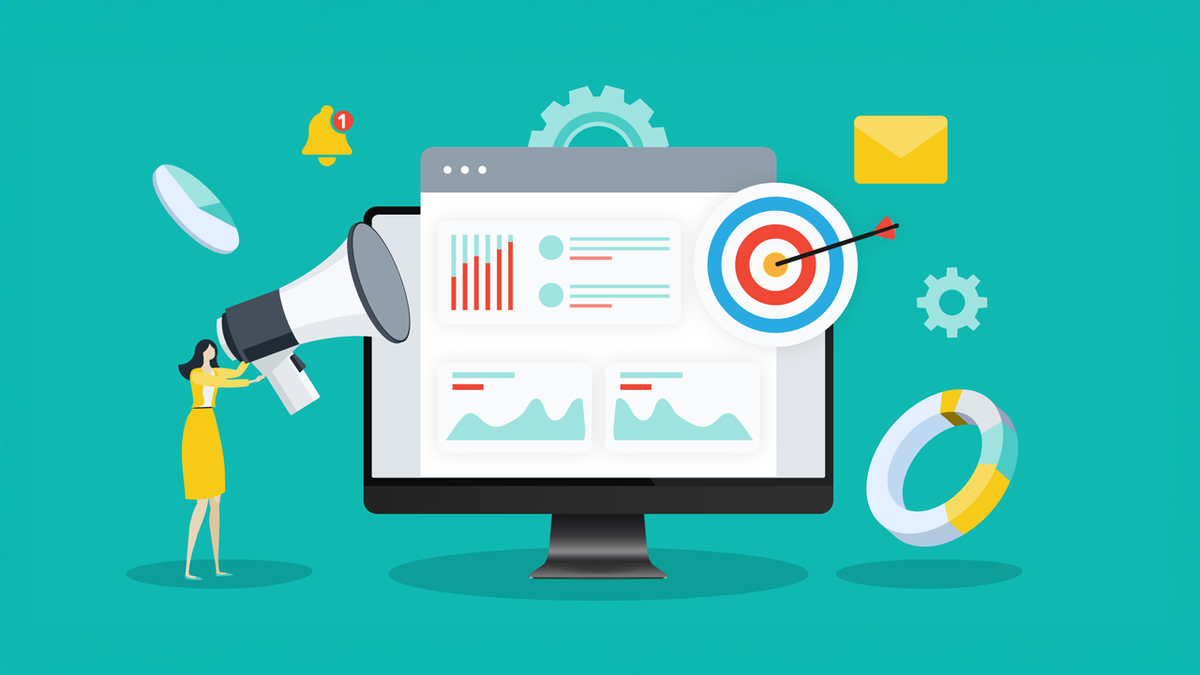
The customer journey framework forms the foundation of every successful automated sales funnel. The customer’s journey is a process that begins with initial awareness of a problem, progresses through marketing and sales funnel strategies, and culminates in a purchase. Guiding prospects at each stage is essential to move them from curiosity to becoming loyal customers.
During the awareness stage, automation handles lead capture through optimized landing pages, compelling lead magnets, and strategic opt-in forms. When someone visits your website and shows interest in your content, automated pop-ups or embedded forms collect their contact information in exchange for valuable resources like eBooks, webinars, or free trials.
The system immediately begins automated lead segmentation based on multiple factors, including how they found your website, which pages they visited, what content they downloaded, and demographic information they provided. This segmentation ensures relevant messaging that addresses specific needs and interests.
Automated nurturing sequences kick in once leads enter your system. Instead of generic email blasts, the automation platform sends personalized messages based on each prospect’s behavior and segment.
The technology stack powering these automated sales processes includes customer relationship management systems, email automation tools, and behavioral tracking that monitors prospect engagement. When integrated properly, these systems create a unified view of each prospect’s journey.
Some Key Examples and Applications
Abandoned Carts
Consider how an e-commerce automated sales funnel handles abandoned cart sequences. When a potential customer adds items to their cart but doesn’t complete the purchase, the automation software waits a predetermined time period, then sends a reminder email with their saved items. If they still don’t purchase, subsequent emails might offer a discount code or highlight customer testimonials to address common objections.
SaaS companies
SaaS firms use automation for trial conversions. When someone signs up for a free trial, automated emails guide them through key features, share success stories from similar customers, and provide helpful resources to maximize their trial experience. The system tracks which features they use and sends targeted content to encourage full product adoption.
B2B leads
B2B lead nurturing automation focuses on education and relationship building over longer sales cycles. The automated funnel delivers industry insights, case studies, and thought leadership content while gradually building trust and positioning your company as the preferred solution when prospects are ready to buy.
Conversion tracking
Conversion tracking (something we know about at Digistore24) and sales facilitation represent the final pieces of the automation puzzle. The purchasing process is a critical phase within the automated sales funnel, guiding potential customers toward making a purchase and improving conversion rates.
When prospects reach specific engagement thresholds — such as visiting your pricing page multiple times, downloading several resources, or opening a certain percentage of emails — the system automatically alerts your sales team and provides context about the prospect’s interests and engagement history.
Ultimately, the goal of an automated sales funnel is to convert prospects into paying customers, ensuring that your marketing and sales efforts result in completed purchases and long-term brand loyalty.
Key Benefits and ROI Impact of Sales Funnel Automation

Sales funnel automation delivers measurable time savings that directly impact your bottom line. Manual follow-up processes typically require 3–5 hours per lead to research, personalize messages, track responses, and schedule follow-ups. Automation reduces this to under 1 hour per lead by handling routine communications automatically while enabling sales reps to focus on high-value conversations with qualified leads.
Conversion rate improvements represent one of the most compelling benefits of automation. Companies implementing automated sales funnels see 35–50% higher close rates compared to purely manual approaches. This improvement stems from faster response times, consistent follow-up that never misses prospects, and personalized messaging that addresses specific customer needs and pain points.
Automation helps increase sales by responding quickly to leads and improving conversion rates throughout the funnel.
The scalability advantages become apparent when your lead generation efforts succeed. A small sales team can realistically manage 50–100 active prospects with manual processes. The same team using automation can effectively nurture 1,000+ prospects simultaneously without proportional staff increases. This scalability lets you test new marketing channels and scale successful campaigns without immediately hiring additional salespeople. Automation enables businesses to generate more sales without increasing staff, maximizing efficiency and revenue growth.
Cost efficiency analysis reveals significant improvements in customer acquisition costs and lifetime value. Automated funnels reduce the cost per acquisition by eliminating manual tasks while improving conversion rates. The average ROI for marketing automation is $5.44 per $1 spent, according to industry benchmarks, making it one of the highest-return investments for growing businesses.
Mobilizing Behavioral Data
Enhanced personalization at scale addresses a common challenge in traditional sales processes. Manual personalization is time-intensive and inconsistent across team members. Automation uses behavioral data and segmentation to deliver relevant content automatically. When prospects download specific resources or visit certain pages, they receive follow-up content that directly relates to their demonstrated interests.
Improved lead quality through automated scoring and qualification processes ensures your sales team spends time on prospects most likely to purchase. The system assigns points based on demographic fit, engagement level, and buying signals. Only leads reaching predetermined thresholds get passed to sales, improving close rates and reducing time wasted on unqualified prospects.
The 24/7 lead nurturing capability eliminates the timing issues that plague manual follow-up. When someone requests information at 2 AM on a Sunday, automated systems immediately send welcome emails, relevant resources, and begin the nurturing sequence.
This immediate response significantly improves conversion rates compared to waiting until Monday morning for human follow-up.
Data-driven optimization becomes possible when automation platforms track every interaction, email open, link click, and page visit. This granular data reveals which messages resonate with different segments, which content drives the most conversions, and where prospects typically drop out of your sales process. Use these insights to continuously refine your automated funnel for better ROI.
Post-purchase engagement is also crucial for long-term success. Automation supports customer retention by delivering timely follow-ups, personalized offers, and ongoing value to keep customers loyal and engaged after their initial purchase. Implementing these strategies helps foster lasting relationships and maximizes the lifetime value of each customer.
Conducting Market Research for Your Automated Funnel
Before you can create an automated sales funnel that consistently delivers qualified leads and paying customers, you need a deep understanding of your target audience and the market landscape. Conducting thorough market research is the cornerstone of any successful automated sales funnel, ensuring that every stage of your funnel—from lead generation to nurturing and conversion—is tailored to the real needs and behaviors of your potential customers.
Start by diving into your existing sales data and customer interactions. Analyze which landing pages attract the most website visitors, what content drives engagement, and where prospects typically drop off in the traditional sales funnel. Look for patterns in customer behavior, such as common pain points, frequently asked questions, and the types of lead magnets that generate the most new leads. This data-driven approach helps you identify what’s already working and where there are opportunities to boost sales with automation.
Zooming in on the Target
Next, expand your research using digital tools. Social media listening platforms, keyword research tools, and competitor analysis can reveal what your target audience is talking about, which topics are trending, and how your competitors are positioning their own sales funnels. Pay attention to the types of social media posts and targeted ads that generate high engagement, as these insights can inform your own marketing automation strategies. If you want to learn more, check out our superb in-depth guide to maximizing your earnings with Google Ads here.
Information is Key
With this information in hand, create detailed buyer personas that represent your ideal customers. These personas should capture demographic details, professional roles, goals, challenges, and preferred communication channels. Understanding your buyer’s journey allows you to design an automated funnel that delivers the right message at the right time, whether through automated email campaigns, personalized landing pages, or timely social media ads.
Market research also guides your selection of marketing automation tools and platforms. By knowing where your audience spends their time and how they prefer to interact with brands, you can choose automation software that integrates seamlessly with your chosen channels—be it email marketing, social media, or your website. This ensures your sales team and marketing teams are equipped to nurture leads efficiently and move them through the customer journey with minimal friction.
Finally, use your research to develop compelling lead magnets and content offers that address your audience’s specific pain points. Whether it’s a free trial, an in-depth guide, or a webinar, your lead magnets should be designed to attract qualified leads and encourage them to enter your online sales funnel. As you launch and refine your automated funnel, continue to gather feedback and monitor conversion rates, using these insights to optimize your marketing efforts and increase customer satisfaction.
By grounding your automated sales funnel in robust market research, you set the stage for higher conversion rates, more effective lead qualification, and long-term customer loyalty. This data-driven approach not only helps you generate more leads but also ensures your automation efforts are aligned with real customer needs—fueling business growth and giving you a competitive edge in 2024 and beyond.
Essential Components and Tools for Automated Sales Funnels
Lead capture mechanisms form the entry point for your entire sales funnel. Effective landing pages with compelling headlines, clear value propositions, and minimal friction convert website visitors into leads. Opt-in forms should collect enough information for segmentation without creating barriers to conversion. Automated tools can create pop-ups and forms that attract leads without manual intervention, streamlining the lead generation process. Lead magnets like comprehensive guides, exclusive webinars, or free trial access provide the incentive for prospects to share their contact information.
Email marketing automation serves as the communication engine of your automated sales funnel. Modern automation platforms go beyond simple autoresponders to deliver sophisticated drip campaigns triggered by specific behaviors. When prospects open emails, click specific links, or visit certain pages, the system automatically adjusts their email sequence to match their demonstrated interests.
Remember: choosing an email marketing tool that integrates with your automation platform is crucial for seamless campaign management and reporting.
Customer Relationships that Matter

Customer relationship management systems provide the central database where all prospect information, interaction history, and lead scoring data converge. The CRM integration ensures your sales team has complete context when qualified leads require human intervention. Advanced CRM platforms include built-in automation features, while others integrate seamlessly with specialized marketing automation tools. A marketing automation tool plays a key role in building and managing automated sales funnels, helping to nurture leads and improve campaign performance.
Analytics and reporting tools for funnel performance monitoring reveal which components drive results and which need optimization. Track metrics like email open rates, click-through rates, conversion rates at each stage, and overall ROI. Real-time dashboards help you identify trends quickly and make data-driven improvements to your automation sequences.
Content management systems enable automated content delivery based on prospect segments and funnel stages. Rather than manually sending resources to different prospect types, the system automatically delivers relevant blog posts, case studies, product information, and educational content based on each prospect’s profile and behavior.
Integration platforms connecting different tools in your automation stack eliminate data silos and ensure seamless information flow. Popular integration tools like Zapier or native platform integrations keep your CRM, email platform, analytics tools, and other systems synchronized automatically.
And Let’s Not Forget…
When comparing all-in-one platforms versus specialized tools, consider your budget, technical requirements, and growth plans. HubSpot offers comprehensive marketing automation, CRM, and analytics in one platform, making it ideal for businesses wanting unified functionality. Mailchimp provides excellent email automation for smaller businesses, while ActiveCampaign excels at behavioral-based automation sequences.
Budget considerations vary significantly based on business size and automation complexity. Starter tools like Mailchimp or ConvertKit cost $20–50 monthly, while enterprise solutions from Salesforce or Marketo can cost thousands monthly. Factor in integration costs, training time, and potential consulting fees when budgeting for your automation implementation.
Technical requirements include API integrations for connecting different platforms, data synchronization to ensure consistent information across systems, and workflow automation that triggers actions based on specific conditions. Most modern automation platforms provide these capabilities, but complex businesses may require custom development or specialized consulting to achieve optimal integration.
Step-by-Step Process to Create Your Automated Sales Funnel
- Step 1: Market research and buyer personas define pain points, motivations, and buying behaviors.
- Step 2: Customer journey mapping ensures consistent messaging from awareness to purchase.
- Step 3: Automation tool selection prioritizes integration, scalability, and ease of use.
- Step 4: Compelling lead magnets attract prospects at each funnel stage.
- Step 5: Automated email sequences build trust and drive action with clear CTAs.
- Step 6: Behavioral triggers and lead scoring identify high-intent prospects.
- Step 7: Workflow testing prevents lost leads and broken automations.
- Step 8: Continuous optimization improves conversion rates, engagement, and long-term ROI.
Measuring Success and Optimizing Your Automated Funnel
Key performance indicators provide the foundation for understanding your marketing automation funnel’s effectiveness and identifying optimization opportunities. A marketing automation funnel is a structured, automated process that guides prospects from initial lead generation through engaging user journeys based on behavior, ultimately leading to conversions. Track conversion rates at each stage of your funnel—from initial opt-in through final purchase—to identify where prospects drop off most frequently. Email open rates and click-through rates reveal how well your messaging resonates with different segments and funnel stages.
Customer acquisition cost represents a critical metric for evaluating ROI from your automated sales processes. Calculate the total cost of your automation tools, content creation, and advertising spend, then divide by the number of new customers acquired through the funnel. Compare this to your customer lifetime value to ensure profitable growth.
Monitor time-to-conversion metrics to understand how long prospects typically take to move through your automated funnel. This information helps set realistic expectations for sales forecasting and cash flow planning. Some businesses see conversions within days, while others may have automated nurturing sequences that span months before prospects are ready to buy.
Never Neglect the A/B!
- A/B testing strategies should focus on elements with the highest potential impact on conversion rates. Test email subject lines to improve open rates, experiment with different landing page headlines and calls-to-action, and try various lead magnet formats to see what attracts your target audience most effectively. Run tests on one element at a time to clearly identify what drives improved performance.
- Analytics tools and dashboards enable real-time monitoring of your funnel performance without requiring manual report generation. Set up automated alerts for significant changes in key metrics, such as sudden drops in conversion rates or unusual spikes in unsubscribe rates. Most marketing automation platforms include built-in analytics, but you may want to supplement with Google Analytics for deeper website behavior insights.
- Optimization techniques should address the specific bottlenecks your data reveals. If email open rates are low, test different send times, subject lines, or sender names. If prospects engage with emails but don’t convert, examine your calls-to-action, landing page design, or the alignment between email content and destination pages.
- Audience segmentation refinement becomes more effective as you gather data about which messages work best for different prospect types. Create more granular segments based on behavior patterns, engagement levels, or demographic characteristics. Highly targeted segments typically convert better than broad, generic messaging.
- Content personalization should extend beyond using prospect names in emails. Recommend specific products based on browsing history, reference industry-specific challenges in your messaging, or adjust content complexity based on prospect seniority level. Marketing automation platforms increasingly offer dynamic content capabilities that automatically customize emails and landing pages.
- Timing adjustments can significantly impact funnel performance. Test different delays between emails in your nurturing sequences, experiment with sending emails on different days of the week, and consider time zone targeting for prospects in different geographic regions. B2B prospects may respond better to emails sent during business hours, while B2C prospects might engage more during evenings or weekends.
- Quarterly funnel audits ensure your automated sales processes stay aligned with changing business goals and market conditions. Review your buyer personas to confirm they still accurately represent your target customers. Analyze which content performs best and create more similar resources. Evaluate whether your lead scoring criteria still correlate with actual purchases and adjust point values accordingly.
- Integration of customer feedback and sales team insights provide qualitative context for your quantitative data. Regularly interview customers about their experience with your automated funnel and gather feedback from sales reps about lead quality and prospect readiness. This human insight often reveals optimization opportunities that data alone might miss.
- Customer testimonials, gathered through your automated follow-up sequences, provide social proof that improves conversion rates throughout your funnel. Automate the collection of reviews and success stories, then incorporate this content into your email sequences and landing pages to build trust and address prospect concerns.
Conclusion
Successful automated sales funnels require ongoing attention and optimization, but the investment pays dividends through increased efficiency, higher conversion rates, and scalable growth. Start with basic automation to prove the concept, then gradually add sophistication as you learn what works best for your specific audience and business model.
The businesses that master sales funnel automation gain a significant competitive advantage through their ability to nurture more leads, convert prospects more effectively, and scale their sales efforts without proportional increases in staffing costs. Begin implementing your automated sales funnel today to start capturing these benefits for your business.
FAQ
What is an automated sales funnel?
An automated sales funnel is a technology-driven system that guides prospects through the customer journey—from awareness to purchase—using tools like email automation, behavioral triggers, lead scoring, and CRM integrations. It works 24/7 to nurture leads and convert them without manual follow-up at every stage.
How does an automated sales funnel work?
Automated funnels capture leads through landing pages and opt-in forms, then segment and nurture them automatically based on behavior and engagement. Prospects receive personalized content, follow-ups, and offers until they reach a conversion point or are handed to sales when they show high buying intent.
What are the main benefits of using an automated sales funnel?
Key benefits include:
- 35–50% higher conversion rates
- Faster response times and zero missed leads
- Ability to nurture 1,000+ prospects at scale
- Lower customer acquisition costs
- Improved lead quality through scoring and segmentation
- Stronger post-purchase engagement and retention
What tools are needed to build an automated sales funnel?
A typical automation stack includes:
- Landing pages and lead magnets
- Email marketing automation
- CRM for lead tracking and scoring
- Analytics and reporting tools
- Integration platforms to sync data across systems
Popular options range from beginner tools like Mailchimp or ConvertKit to advanced platforms like HubSpot or ActiveCampaign.