A downsell is a strategic offer presented after a customer rejects your primary offer. It’s designed to recover revenue through a lower-priced alternative. Unlike last-minute discounts, downsells are intentional recovery tactics. When done well, they can reclaim 15–25% of declined sales by addressing specific objections such as price or commitment.
Many businesses lose significant revenue by ignoring downsells entirely. A rejected offer is not a dead end. It’s a critical moment of intent, where the customer has shown interest but hesitates due to pricing, features, or timing.
Downsells don’t just recover sales.
They build customer trust and create entry points for future upsells. By showing flexibility around budgets, brands appear customer-centric, which often leads to higher retention and increased lifetime value.
This guide explains the psychology behind downsells, best-practice implementation, real-world examples, and step-by-step setup. Downselling remains a core funnel optimization strategy for businesses focused on sustainable growth.
The Psychology Behind Recovery Sales and Customer Lifetime Value
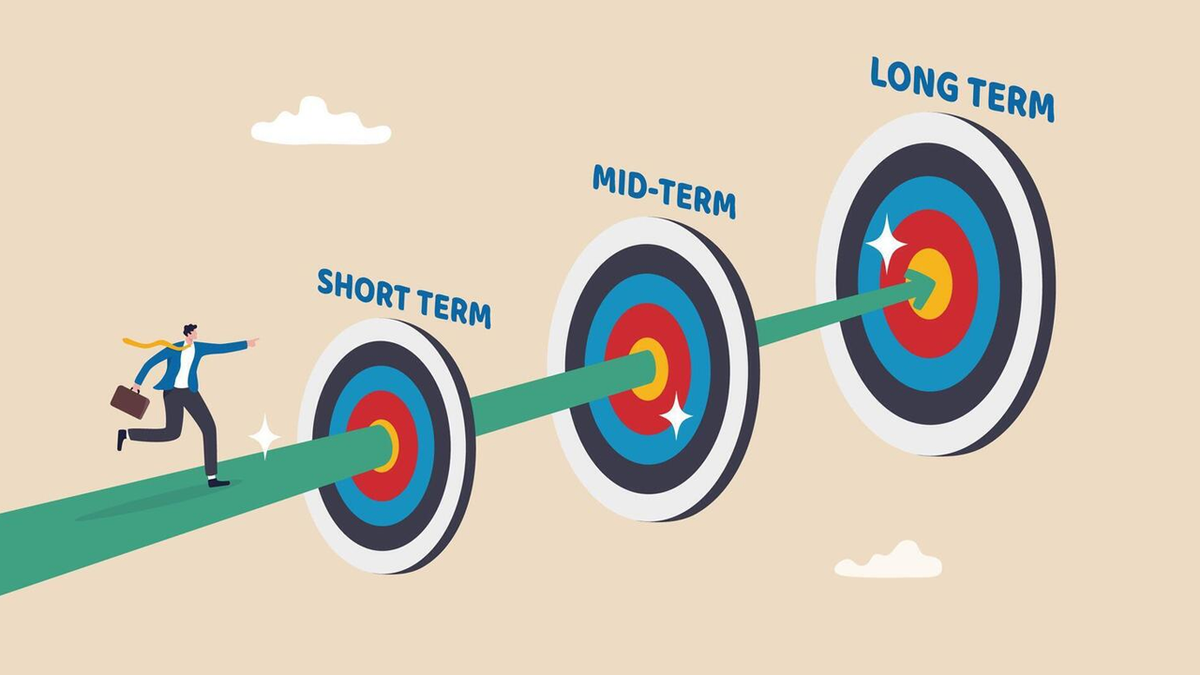
The art of the upsell is essential to master, but what about if the prospect hasn't bitten? Downsells are offered only after rejection—and that timing matters. Presenting cheaper options too early weakens your main offer. Strategic downselling respects the customer’s decision process while preserving value perception.
Most rejections stem from price sensitivity, budget limits, fear of commitment, or poor timing. Customers quickly weigh cost versus benefit. A “no” usually signals a mismatch in circumstances, not a lack of interest.
An effective funnel follows a clear sequence: Main Offer → Upsell → Rejection → Downsell. This structure maximizes revenue while honoring customer intent. Unlike upsells or cross-sells, downsells focus on hesitant prospects, not existing buyers.
Netflix offers a clear example.
When users decline the premium plan, they’re shown a basic option with fewer features but full functionality. Monthly pricing addresses budget concerns while keeping customers in the ecosystem. Many later upgrade.
Timing is essential. Downsells must follow rejection to avoid decision paralysis. Sequential offers guide customers logically, while simultaneous pricing tiers often overwhelm them.
Effective downsells show empathy, not pressure. When customers feel understood, they’re more likely to buy, return, and recommend your brand—boosting long-term revenue and retention.
When to Offer a Downsell
Timing is everything when presenting a downsell. The ideal moment is immediately after a customer rejects your primary offer but before they leave the funnel. At this stage, interest remains high and resistance is lower.
Waiting until rejection prevents choice overload. It allows you to offer a lower-priced or simplified version that still meets core needs. This approach recovers revenue while reinforcing customer trust.
For example, if a customer declines a premium subscription, offering a more affordable tier can convert hesitation into action. You retain the customer, increase lifetime value, and open the door to future upgrades.
Essential Downsell Strategy Implementation
Successful downsell implementation relies on six core tactics that balance psychology and execution. These strategies turn rejected offers into additional revenue while protecting brand value and customer relationships. Done right, downsells recover sales without feeling pushy!
The six essential downsell tactics:
- Timing & triggers come first: cart abandonment should activate a downsell within 15 minutes. Exit-intent popups catch visitors before they leave. Post-decline email sequences add follow-ups at 24, 48, and 72 hours. Checkout-stage offers can still lift order value. Act fast!
- Offer structure drives conversion. Simplify your premium product without removing its core value. Use payment plans, trial access, or smaller bundles. If a 10-item package fails, offer a 3-item alternative at a lower price. Fewer choices. Clear value!
- Psychology matters more than price. Create urgency without pressure. Position downsells as exclusive options, not backups. Focus copy on benefits, not what’s missing. A good downsell still feels valuable!
- Segment your audience smartly. match offers to rejection reasons. Younger buyers may want monthly payments. Businesses often prefer annual plans. Use purchase history to recommend relevant bundles or upgrades. Relevance wins!
- Automate with the right tech. Use automated triggers so no opportunity is missed. Apply conditional logic to avoid mistargeting existing customers. Run A/B tests on pricing, timing, and messaging. Make payment processing flexible and friction-free!
- Follow up and build lifetime value. Nurture downsell buyers with education and trust-building content. Introduce upsells gradually. Re-engage initial decliners when timing improves. Smart follow-ups turn small wins into long-term revenue!
Pro tactics that boost results:
Trigger exit-intent at 30 seconds, personalize email subject lines, and price downsells at 30–50% of the original offer.
The results? Credible savings. Clear value. Higher conversions!
Proven Downsell Examples Across Industries

Real-world downsell examples show how flexible and powerful this strategy can be. Across business models, effective downsells preserve the value proposition while directly addressing price objections. The outcome? More conversions and more paying customers—without discounting core value.
SaaS example: Slack’s tier-based downsell strategy!
When users reject the Business+ plan at $12.50 per user, Slack immediately presents the Starter plan at $6.67. The downsell keeps unlimited message history and key integrations but removes advanced admin and compliance tools. This approach converted 23% of rejected prospects who might otherwise choose the free tier. Clear messaging reinforces that customers can upgrade anytime, creating a smooth path to future upsells as teams grow. Cross sells, such as add-on integrations, are also introduced to increase overall account value.
E-commerce example: premium athletic apparel done right!
A high-end activewear brand applies downsells after cart abandonment on full workout sets. Instead of discounting the bundle, they offer individual items at lower price points, such as a single performance shirt. Brand quality remains intact while budget concerns are addressed. The results were strong: 31% of downsell buyers returned within 60 days to purchase more items. Post-purchase downsells and strategic cross sells further increased average order value.
Digital courses example: education without friction!
A marketing education platform sells a $2,997 coaching program. When customers decline, they’re offered a course-only version at $497. The curriculum stays the same, but live coaching and community access are removed. This downsell appeals to budget-conscious learners while preserving educational value. It recovered 19% of declined sales and created a pipeline of students who later upgraded to full coaching. Follow-up upsells reintroduce coaching and community features over time.
Service business example: agencies using value-based downsells!
A digital marketing agency downsells its $5,000 monthly retainer by offering strategy audits and consultations at $1,500. This delivers immediate value and showcases expertise. Ongoing services are positioned as the logical next step. The agency also offers bundled value packages as alternatives to full retainers. The strategy converted 28% of declined prospects, with 45% upgrading to full-service contracts within six months. Big win!
Across these examples, conversion lifts ranged from 19–31%, generating millions in recovered revenue.
The common thread is clear: offer genuine alternatives, not discounted versions of the same product. Customers feel confident, respected, and more willing to buy. In affiliate marketing, the numbers are often smaller unless offers are high-ticket. Still, these large-scale examples provide valuable perspective on how powerful downsells can be when applied thoughtfully and strategically.
Trial Offer: Using Trials as Effective Downsell Tactics

Trial offers are a powerful downsell strategy that can significantly boost sales and enhance customer retention. By allowing customers to experience a product or service through a free or low-cost trial, you lower the barrier to entry and reduce the perceived risk of making a purchase. This tactic is especially effective for digital products, software, or online courses, where customers may hesitate to commit without firsthand experience. For instance, if a customer is unsure about investing in a full-priced online course, offering a trial module or limited-time access can help them see the value before making a larger commitment. This approach not only increases conversion rates but also builds trust, as customers feel empowered to make informed decisions. Ultimately, using trials as a downsell can turn hesitant prospects into loyal customers, driving more sales and long-term engagement.
Step-by-Step Downsell Setup Guide
Implementing effective downsell strategies requires systematic planning, technical configuration, and ongoing optimization. This comprehensive walkthrough transforms your sales funnel from a single-opportunity system into a multi-layered revenue recovery machine.
Planning Phase begins with audience analysis to understand why customers reject your primary offer. Survey existing customers about their initial hesitations and decision factors. Analyze customer lifetime data to identify patterns in rejection reasons. Create detailed buyer personas including budget ranges, feature priorities, and decision timelines. Map your current sales funnel to identify optimal downsell insertion points where customer refuses your main offer but remains engaged.
Offer creation requires developing genuine alternatives that solve core customer problems at lower price points. Design simplified product versions with fewer features but maintained quality. Structure payment plans that make premium versions accessible through monthly payments rather than upfront investment. Create trial offers that reduce commitment anxiety while demonstrating value. Establish clear success metrics including downsell conversion rates, average order value changes, and customer lifetime value improvements.
Technical Setup varies by platform but follows consistent principles across email marketing systems like Mailchimp (integrated on Digistore24), landing page builders including Leadpages and Unbounce, and customer relationship management tools. Configure automated triggers that activate when customers abandon carts, exit sales pages, or decline initial offers. Set up conditional logic preventing existing customers from receiving new customer downsells, maintaining appropriate targeting.
Create dedicated downsell pages that maintain brand consistency while presenting alternative products clearly. These pages should load quickly, eliminate navigation distractions, and focus entirely on the downsell offer benefits. Include social proof specific to the alternative product and clear value propositions that address original rejection reasons. For Digistore24:
Setting Up Your Downsell Flow on Digistore24
The process is straightforward within Digistore24’s Conversion Cockpit:
- Open your initial product and navigate to the Conversion Cockpit
- Click Add upsell on the initial product or an existing upsell item
- Choose a red arrow (downsell) indicator for each downsell step
- Select which product you want to offer as the downsell
- Each upsell/downsell step can lead to another step (up to six total upsell steps in your flow)
Key Features and Flexibility
Multiple purchase decision options: For each downsell step, you can offer:
- A single product
- Different products as alternatives
- Different quantities or payment plans for the same product
One-click purchases: Customers can purchase downsell products directly on your upsell page without being redirected to a separate order form (depending on your setup and EU legal compliance requirements)
Custom buttons: You can use Digistore24’s standard upsell buy button or create your own custom purchase decision buttons to match your branding
More to Know
E-commerce integration ensures your downsell system works smoothly with existing sales infrastructure. Payment processing must handle downsell transactions without friction, so customers can check out quickly and confidently. All sales should flow directly to your bank account, ensuring every conversion counts. For physical products, proper inventory and SKU management is essential to avoid fulfillment issues.
Automation workflows run the entire downsell process for you—hands free! Primary triggers include form abandonment after 15 minutes, checkout exits within 30 seconds, and email non-response after 48 hours. Secondary triggers activate when users view but don’t purchase downsells. Cart-based triggers and cross-sell offers capture even more revenue. Time your emails carefully—evening sends often convert best!
Testing procedures drive continuous improvement through real data. Use A/B testing to compare offers, timing, and copy. Test different price reductions—some buyers prefer 50% off, others respond better to 30% with higher perceived value. Track not just immediate sales, but repeat purchases and retention. Optimize your funnel relentlessly. Every improvement increases revenue!
Setting Up Your Downsell Automation
Automated downsell sequences ensure consistency and unlock more conversion opportunities. When triggers are set correctly, downsells feel helpful—not pushy. Precision matters!
Primary automation triggers capture intent at the right moment. Use form abandonment triggers when users start but don’t finish lead forms or inquiries. Set a 15-minute delay to allow natural return. Activate checkout exit triggers when payment pages are abandoned. Deploy email non-response triggers after 48 hours to re-engage silent prospects.
Conditional logic prevents audience overlap and fatigue. Exclude existing customers from new-customer downsells. Show different offers to previous downsell buyers to avoid repetition. Apply frequency caps to limit downsell exposure—typically once every 30 days unless alternatives are requested.
Multiple downsell tiers address different objections. Immediate offers target price sensitivity with 20–30% reductions. Twenty-four-hour follow-ups introduce alternative products or simplified versions. Final offers after 72 hours highlight payment plans or trial access. Each tier should include clear expiration dates to create urgency—without desperation!
Tracking and analytics drive long-term performance. Implement conversion pixels and tracking codes across all downsell touchpoints. Measure immediate conversions and downstream behavior, including repeat purchases, referrals, and customer lifetime value. This data fuels optimization and proves ROI. Data wins!
Testing and Optimization Framework
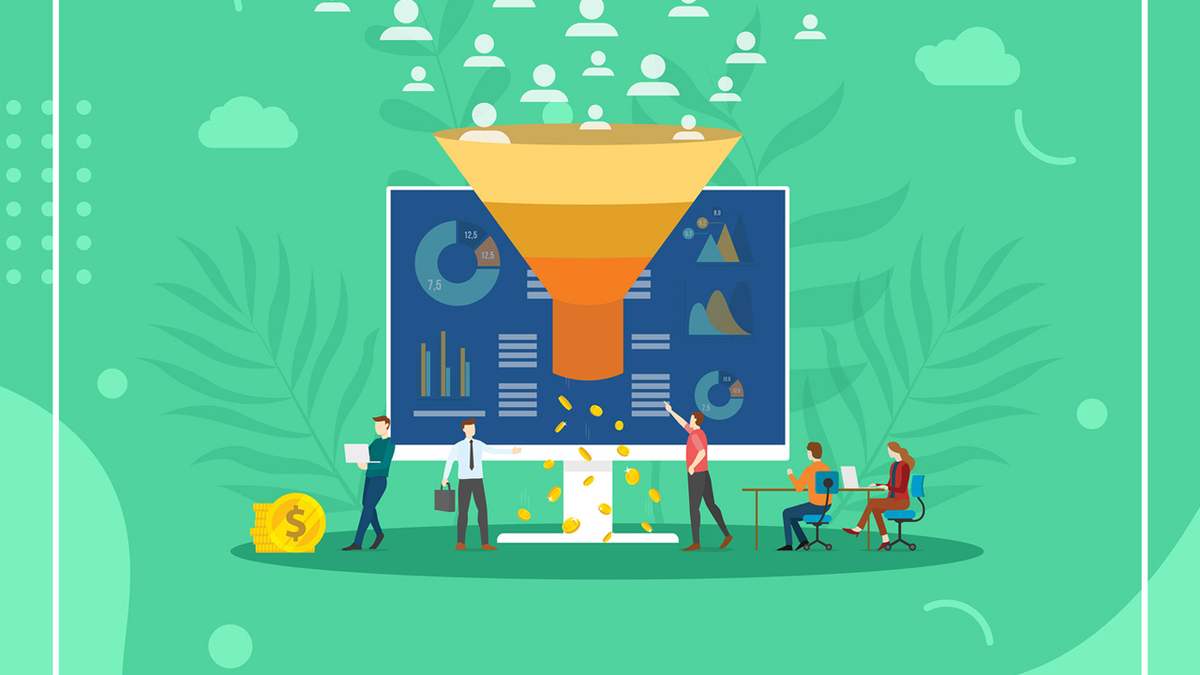
- Establishing baseline metrics is the first step to effective downselling. Document rejection rates, average order values, and customer lifetime value for different segments. These numbers create a foundation for before-and-after comparisons, showing the real impact of your downsell strategy.
- A/B testing ensures precise optimization! Test offer variations, including discount levels, product features, and payment plans. Time your downsell presentation to find the optimal delay after rejection. Refine copy to highlight benefits, value, and urgency that resonate with your audience.
- Analytics dashboards provide actionable insights. Combine downsell conversion rates with broader business metrics. Track revenue recovery, customer satisfaction scores, and how many downsell buyers upgrade to full-price purchases. Watch negative indicators like unsubscribes or complaints to protect brand reputation.
- Feedback loops drive continuous improvement! Conduct monthly reviews to analyze performance trends, seasonal effects, and differences across customer segments. Quarterly cycles implement testing results and adjust strategies. Annual strategy reviews evaluate overall downsell effectiveness and plan for expansion into new segments or products.
Measuring the Success of Downselling
Track the right metrics to understand downsell impact!
- Conversion rates show how many customers accept downsells.
- Average order value reveals whether offers boost overall sales.
- Customer lifetime value measures long-term benefits, including retention and loyalty.
If metrics fall short, adjust your offer or presentation. Regular analysis helps refine your strategy, maximize revenue, and improve the customer experience, ensuring every sale contributes to a more profitable relationship.
Common Downsell Mistakes
Avoid these pitfalls to maintain trust and maximize revenue!
- Offering a downsell too early reduces the perceived value of your primary offer.
- Ignoring customer needs leads to irrelevant or unappealing alternatives.
- Using downsells purely as discounts erodes credibility and trust.
Always wait until the customer rejects the main offer. Position the downsell as a thoughtful, relevant alternative—never a cheap substitute. Focus on perceived value and retention to increase sales and strengthen relationships.
Conclusion
Downsells turn rejected opportunities into revenue and loyalty. Strategic downselling demonstrates understanding and flexibility, often leading to immediate sales and long-term customer value that exceeds the original transaction.
Implementing downsells is essential for modern conversion optimization. Single-offer funnels leave money on the table. Offering genuine alternatives at lower price points captures budget-conscious customers who still want your solution.
The benefits compound! Downsell buyers often upgrade, refer others, and provide valuable product feedback. Customer lifetime value grows when businesses prioritize flexibility and customer focus over rigid sales tactics.
Your implementation timeline starts now:
- Develop your first downsell within 14 days using a simplified product version.
- Set up automation triggers for cart abandonment and sales page exits.
- Track conversion improvements over 30 days, measuring immediate revenue and future customer behavior.
Transform every “no” into a “yes”! Customers who initially decline often become your most valuable advocates when you show genuine care. Start your downsell strategy today and watch lost opportunities turn into long-term, profitable customer relationships.
FAQ
What is a downsell?
A downsell is a lower-priced or simplified offer presented after a customer declines your primary offer. Instead of losing the sale completely, the business offers an alternative that still delivers value while addressing objections such as price, commitment level, or timing.
What is the difference between an upsell and a downsell?
An upsell encourages customers to purchase a more expensive version of a product after an initial purchase decision. A downsell, on the other hand, is shown after a rejection and offers a more affordable or simplified option to recover the sale.
When should you offer a downsell?
A downsell should only be presented after the customer declines your main offer. Showing cheaper options too early can reduce the perceived value of your premium product and create decision paralysis.
Do downsells reduce brand value?
Not when implemented strategically. A well-designed downsell maintains core value while removing non-essential features. It should feel like a tailored alternative — not a discounted fallback.
How much cheaper should a downsell be?
Most effective downsells are priced 20–50% lower than the original offer. The exact reduction depends on your margins, audience sensitivity, and the perceived value of the alternative.