ClickBank has helped thousands of affiliates earn money online. No question about it. But many new affiliates don't realize that ClickBank’s commissions come with fine print.
ClickBank allows refunds for up to 364 days after a purchase. That means your earnings can be reversed almost one whole year later.
To hedge against that, the platform already withholds 10% of affiliate earnings for 84 days as a reserve. Yet if a customer’s refund comes in after that window, the remaining balance can still be clawed back (even into the negative).
And while this policy is often just a legal safeguard for the platform, it creates massive uncertainty for affiliates, since commissions can be reversed well after a sale. Customers can buy, use the product, then request a refund several months later. That’s lost revenue (for both affiliates and merchants) that was probably already allocated.
Vendors (and affiliates) still owe money for the transaction, but have no real control over the policy.
ClickBank has received other complaints too: low-quality products, a reputation for spammy links, and tracking that gets blocked as a result.
None of this makes ClickBank useless. It still drives a huge volume of affiliate sales every day. But newer platforms are stepping in with better tools and stronger support. Today, creators and vendors can work together without the nonsense affiliate marketing is known for.
So if you’re looking to diversify (or just want better terms) here are 8 ClickBank alternatives worth trying in 2026.
Quick Overview: 8 Best Clickbank Alternatives
Digistore24
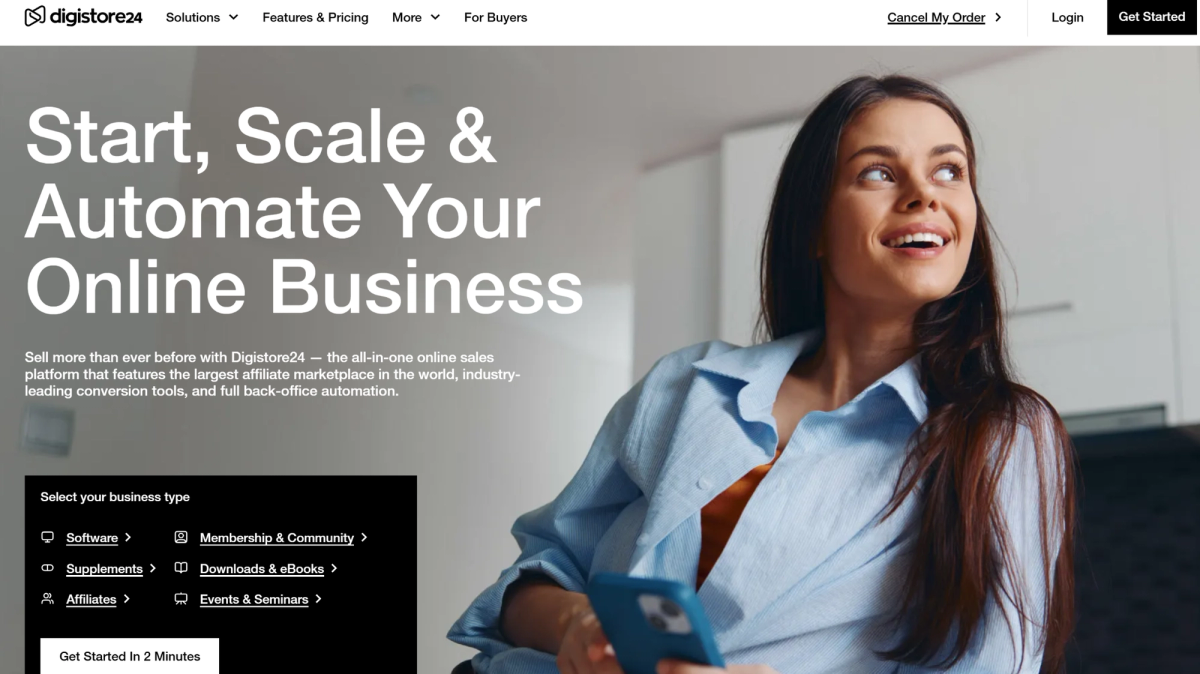
Digistore24 launched in 2012 with a simple goal: make it easy for entrepreneurs to sell digital products worldwide without getting stuck in payments, taxes, and compliance.
The company is based in Hildesheim, Germany, and has grown into one of the largest affiliate marketplaces for digital products in Europe. Today, it operates globally, with offices in the United States, connecting vendors and affiliates selling courses, software, ebooks, and even health supplements.
One of Digistore24’s biggest advantages is its merchant-of-record model. Instead of vendors selling directly to customers, Digistore24 handles payments, invoicing, taxes, and refunds behind the scenes. That means vendors don’t have to deal with complex international rules and affiliates can focus solely on promoting products. It also functions as its own payment processor, meaning participants don’t need to worry about integrating with an accepted platform like Stripe.
The marketplace includes thousands of offers across many niches, along with built-in tools for funnels, analytics, and affiliate management. Plus, every offer is reviewed to help prevent low-quality or misleading products.
Digistore24 also offers a 180-day cookie window (one of the longest in the industry) and uses server-to-server tracking by default. This keeps tracking reliable and gives affiliates more time to earn commissions on slower buying decisions.
For Affiliates
- Commission rates: Vendor-set; typically 15–90%, sometimes higher on trial offers
- Cookie window: 180 days (with multi-device S2S tracking)
- Refund window: Vendor-controlled (max 14–180 days) with a 10% reserve buffer
- Payout frequency: Up to 4 times per month (7th, 14th, 21st, 28th)
- Minimum payout: $50 for first monthly payout; $200 for later payouts
- Payout methods: Bank transfer, PayPal, or check
- Onboarding: Easy (free signup with immediate marketplace access)
For Merchants
- Cost to Join: Free
- Ongoing fees: ~7.9% + $1 per sale (reduced rate on higher-value sales)
- Compliance model: Merchant-of-record reseller
- Customer support: Email/ticket-based support with strong user ratings
- Onboarding: White-glove. Product approval typically targeted within ~48 hours
Amazon Associates
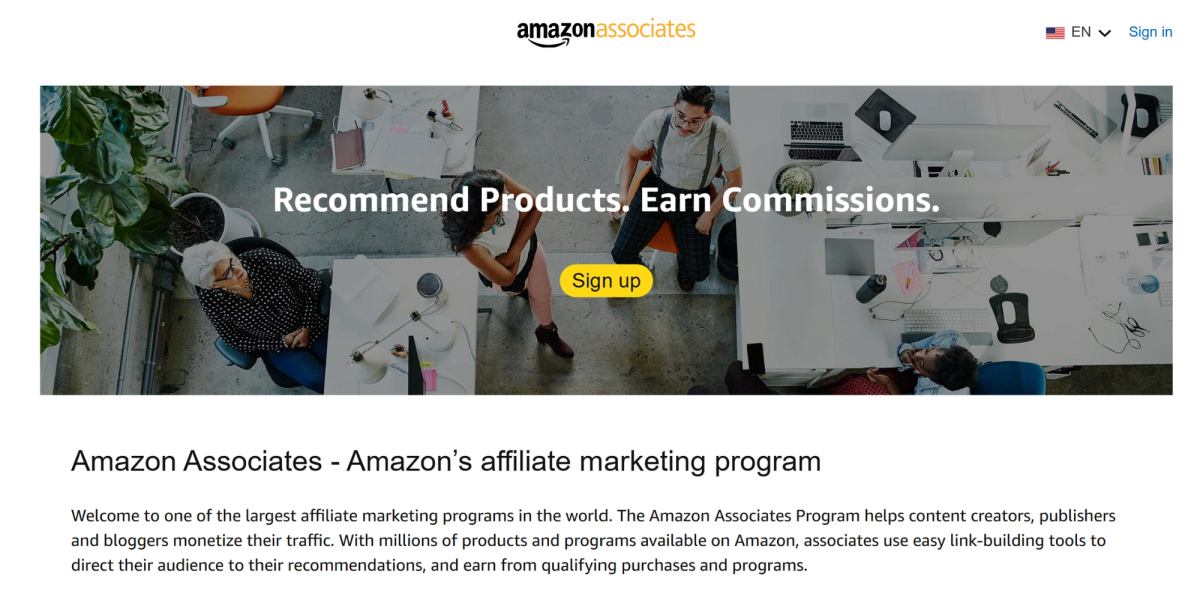
Amazon launched the Amazon Associates program in 1996, making it the first publicly available affiliate program on the internet. Since then, it has grown alongside Amazon itself into one of the largest affiliate ecosystems in the world.
Headquartered in Seattle, the program allows creators, bloggers, and publishers to earn commissions by promoting products from Amazon’s massive retail catalog.
Unlike most affiliate networks, Amazon Associates is tied directly to a single retailer. Affiliates can promote millions of physical and digital products across nearly every common consumer category (electronics, books, home goods, beauty products, tools, and more).
The trade-off is that most categories pay relatively modest commissions compared with marketplaces focused on digital products. Many common categories pay around 3–4%, while some niche categories pay more.
What makes the Amazon program powerful is its scale. When a customer clicks an affiliate link, you can earn commission on anything they buy (the whole cart) during the tracking window, not just the product you recommended.
However, that window is short. Amazon’s cookie typically lasts only 24 hours. But items added to a cart during that period can still generate commission if purchased later.
For Affiliates
- Commission rates: 1–20% depending on category; most categories fall around 3–4%
- Cookie window: 24 hours from click (NOTE: If a product is added to cart within 24 hours, the referral can remain valid up to ~90 days)
- Refund window: Returned items simply cancel the commission before payout
- Payout frequency: Monthly, about 60 days after the earnings month
- Minimum payout: $10 for direct deposit or gift card; $100 for checks
- Payout methods: Direct deposit, international bank transfer, Amazon gift card, or check
- Onboarding: Application with manual review; must generate 3 qualifying sales within 180 days for full approval
For Merchants
It’s hard to compare Amazon Associates to most affiliate networks on the merchant side because it isn’t necessarily designed for affiliate marketing. It’s the affiliate program attached to Amazon’s marketplace. For merchants, that means you’re running an entire Amazon ecommerce operation (not just launching an affiliate program).
That comes with its own set of challenges, making it an ideal fit only for certain vendors looking to leverage the platform.
CJ Affiliate
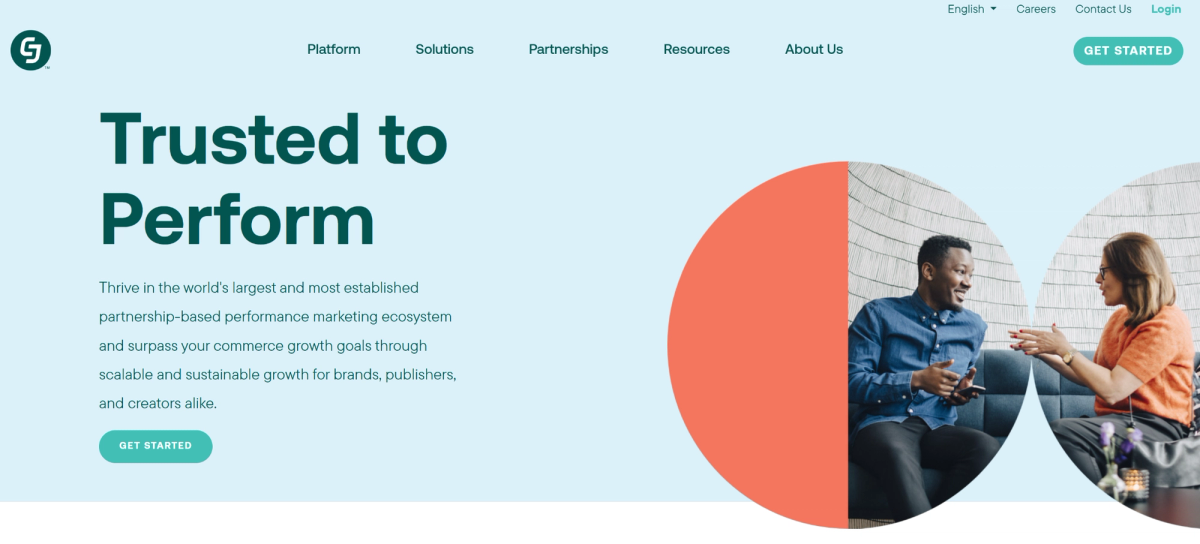
CJ Affiliate began in 1998 in Santa Barbara, California, originally under the name Commission Junction. Over the past two decades, it has grown into one of the most established affiliate marketing platforms in the world. Today, the network operates as part of Publicis Groupe, connecting publishers with major global brands across retail, travel, finance, technology, and services.
CJ Affiliate is built primarily for large brands and enterprise advertisers. The platform works with thousands of global companies and a large network of publishers, creating partnerships that reach billions of consumers worldwide.
Because of that focus, CJ tends to attract established bloggers, media companies, and agencies running affiliate campaigns at scale (rather than beginners just starting out).
CJ does not act as the merchant of record and does not sell products as its own entity. It merely provides the technology and partnership platform. Each brand runs its own affiliate program within CJ, sets its own commission rates, and decides which affiliates to approve.
This creates a more curated marketplace, but it also means affiliates may have a harder time getting started. Newer affiliates may need to apply separately to multiple programs before they can start promoting.
For Affiliates
- Commission rates: Brand-set; commonly ~5–20% for retail, but higher for SaaS or finance offers
- Cookie window: Set by each advertiser (typically 30–45 days)
- Refund window: Brand-defined validation period; commissions usually lock after ~30–60 days
- Payout frequency: Monthly (approximately Net-20 after the end of the earnings month)
- Minimum payout: $50 for direct deposit; $100 for check
- Payout methods: Direct deposit, check, or Payoneer for international affiliates
- Onboarding: Free to join, but each advertiser program requires a separate approval
For Merchants
- Cost to join: Pricing not publicly listed
- Ongoing fees: Custom pricing based on program size and services
- Compliance model: Advertisers remain merchant of record and handle their own taxes and refunds
- Customer support: Email and web-form support; dedicated account managers for larger partners
- Onboarding: Guided onboarding with CJ team; most programs launch in a few days, but some may take weeks
Awin
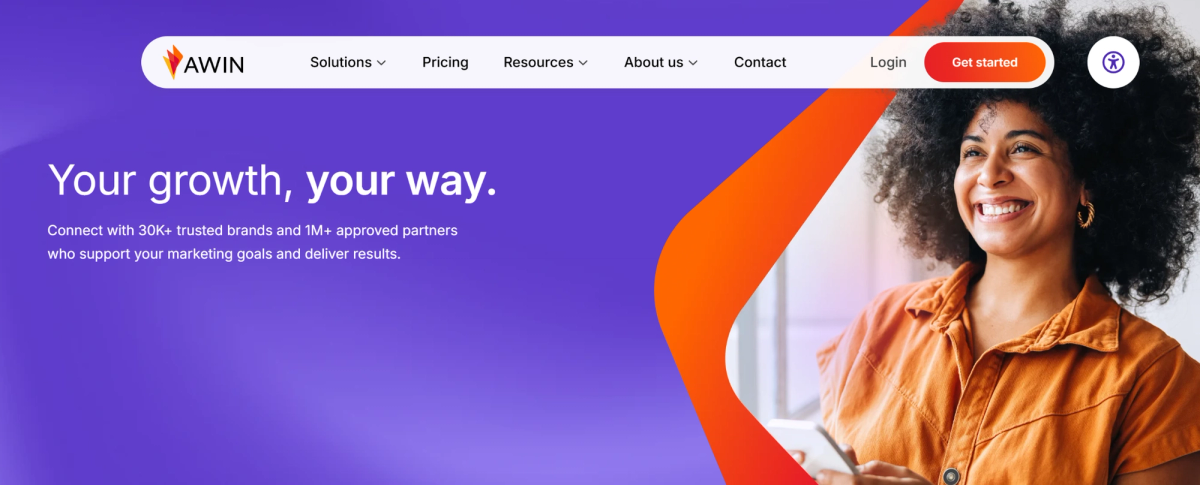
Awin traces its roots back to the early days of affiliate marketing. Two European networks known as Affiliate Window (UK) and Zanox (Germany) operated separately from around 2000 before merging and rebranding as Awin in 2017.
Today the company operates as part of the Axel Springer and United Internet groups and runs one of the largest affiliate networks in the world.
The platform connects over 30,000 brands with more than 1 million publishers across industries like retail, travel, telecom, and finance. Major global brands like HP, Samsung, and Under Armour all use Awin to run partnership programs with publishers and content creators.
Awin is primarily designed for established e-commerce brands and enterprise advertisers (not necessarily digital products). The network vets brands and publishers before allowing them into the ecosystem, which helps maintain quality across the platform. However, this has built an incredibly high bar for affiliates, requiring them to arrive with a professional website and a large, established (and relevant) traffic source. For some affiliates just starting out, this could be a dealbreaker.
Like Digistore24, Awin uses server-to-server tracking. It also offers Bounceless Tracking, which removes the slow redirect when a user clicks an affiliate link, improving the user experience and helping avoid SEO issues. But since vendors can often misconfigure their tracking setup, Awin introduced the Conversion Protection Initiative (CPI), which audits attribution accuracy and penalizes vendors who set up sales improperly.
For Affiliates
- Commission rates: Brand-set; typically ~5–30% depending on retail category
- Cookie window: Usually ~30 days (set individually by each advertiser)
- Refund window: Brand-defined validation period, typically ~30–67 days
- Payout frequency: Twice monthly (1st or 15th depending on account settings)
- Minimum payout: $20 network minimum (can be set higher by the affiliate)
- Payout methods: SEPA, BACS, ACH, or Payoneer international transfer
- Onboarding: Manual application review (usually processed within ~24 hours); affiliates must apply separately to each advertiser program
For Merchants
- Cost to join: Entry-level “Access” plan starting around $49/month plus a setup fee
- Ongoing fees: 3.5% tracking fee on transaction value (plus affiliate commissions)
- Compliance model: Advertisers remain the merchant of record and handle taxes and refunds themselves
- Customer support: Email and phone support available; dedicated managers for larger accounts
- Onboarding: Self-serve setup wizard for basic plans; separate programs required for each region
JVZoo
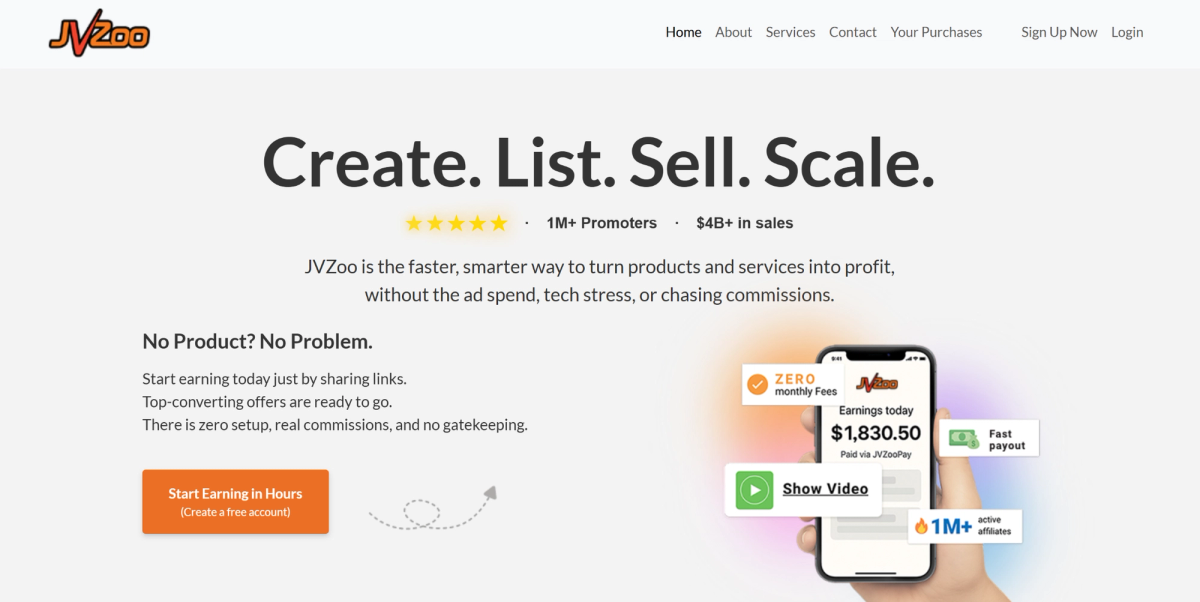
JVZoo launched in 2011 specifically for digital marketers selling online tools and training. Headquartered in Florida, the network quickly gained popularity among internet marketers by removing many of the barriers to launching affiliate campaigns.
The platform now supports hundreds of thousands of affiliates promoting tens of thousands of offers across these categories. Vendors can list products for free, and affiliates can begin promoting offers almost immediately.
Unlike large retail networks, JVZoo focuses almost entirely on digital products and marketing tools. The marketplace includes software, AI tools, online courses, ebooks, and marketing training products. This makes it particularly popular in niches like make-money-online, SaaS tools, and business-opportunity education programs.
One standout feature of JVZoo is its instant commission system. For approved affiliates, commissions can be paid directly to PayPal shortly after a sale rather than waiting weeks for a payout cycle. This allows experienced affiliates to reinvest revenue quickly into ads or marketing campaigns.
However, JVZoo still leaves the payout schedule largely to the vendor’s discretion. That means some affiliates can still end up waiting a long time to get paid (sometimes up to 90 days). For affiliates trying to scale paid campaigns, that kind of delay can kill momentum.
For Affiliates
- Commission rates: Vendor-set; commonly ~30–70% for digital products
- Cookie window: Not publicly standardized; varies by vendor
- Refund window: No standard window, but often ~30 days
- Payout frequency: Instant PayPal payouts for trusted affiliates; delayed payouts (~30–60 days) for newer accounts
- Minimum payout: $100 withdrawal minimum
- Payout methods: PayPal, Payoneer, or bank transfer via JVZooPay
- Onboarding: Free signup with email verification; affiliates must request approval from each product vendor
For Merchants
- Cost to join: Free; unlimited products with one account
- Ongoing fees: $1 + 5% of all sales for new vendors (8.5% if using JVZoo payment processing)
- Compliance model: Vendors remain responsible for taxes and regulatory compliance
- Customer support: Ticket-based support available most days
- Onboarding: Streamlined listing process; products under ~$50 often auto-approved while higher-priced offers require review
Impact
Impact was founded in 2008 in Santa Barbara, California, with a goal of modernizing affiliate marketing for large global brands. Today, the network supports partnerships for thousands of major brands like Walmart, Uber, Shopify, Lenovo, and L’Oréal.
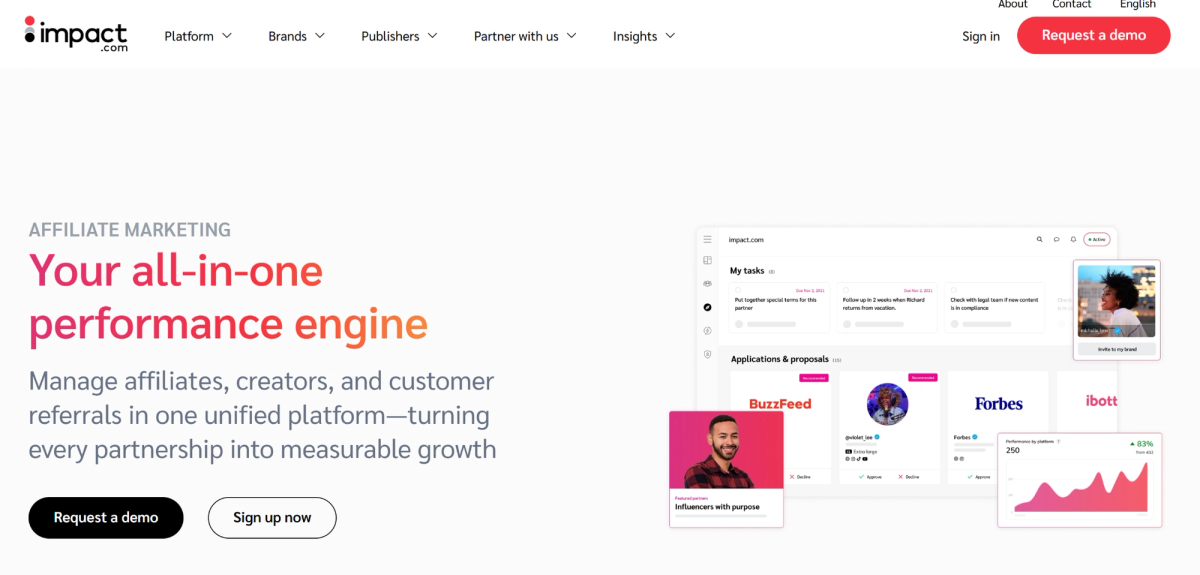
Instead of focusing only on traditional affiliates, Impact manages all types of partnerships (affiliates, influencers, commerce content publishers, B2B partnerships, and referral programs) from a single dashboard. That makes it especially popular with enterprise brands that run complex marketing programs across several channels.
Like Digistore24, Impact uses server-to-server tracking to bypass cookie restrictions in modern browsers, which helps make attribution more reliable. This feature (and its broader partnership tools) have made Impact popular with large brands and affiliates alike.
However, affiliates often report long payout delays and additional fees just to withdraw earnings to a bank account. Combined with generally lower commission rates, that can make the platform harder to compete on.
For vendors, Impact operates on a subscription model. The entry-level plan starts around $30 per month for tracking and partner recommendations. But to access Impact’s marketplace of affiliates and partners, companies typically need to upgrade to higher tiers (often starting around $500 per month).
For Affiliates
- Commission rates: Brand-set; typically ~5–20% depending on category
- Cookie window: Brand-controlled (most retail programs around 30 days), but uses server-to-server tracking
- Refund window: Brand validation periods sometimes apply, but once commissions lock, they can’t be reversed
- Payout frequency: Flexible; fixed schedule (1st or 15th) or threshold-based payouts
- Minimum payout: ~$10 minimum threshold for autopay
- Payout methods: Direct deposit, PayPal, or wire transfer depending on location
- Onboarding: Platform approval usually within ~2 business days; each brand program requires separate approval
For Merchants
- Cost to join: No free plan; $500/month for essentials plan
- Ongoing fees: Platform subscription plus service fees depending on contract terms
- Compliance model: Advertisers remain merchants of record and handle taxes and refunds
- Customer support: Account consultation during onboarding; ticket-based support after launch
- Onboarding: Guided implementation with Impact’s team; enterprise programs may take longer to launch
Rakuten Advertising
Rakuten Advertising traces its roots back to LinkShare (one of the first affiliate networks ever launched) in 1996. The platform later became part of the Rakuten Group after the Japanese tech company acquired LinkShare in 2005. It was officially rebranded as Rakuten Advertising in 2020.
Today, Rakuten Advertising connects over 150,000 publishers with roughly 1,000 major brand programs. The platform focuses heavily on large, well-known brands selling physical products and services (e.g., Walmart, Samsung, Lenovo, Nike, etc.). That focus makes Rakuten popular with professional publishers and content sites that want long-term partnerships with more established retailers.
With Rakuten, brands manage their own affiliate programs within the platform, including commission rates and partner approvals. Rakuten handles the tracking, reporting, and payments at scale.
However, while Rakuten is a longstanding player, its UX is often criticized as clunky or outdated. At the same time, the company is investing in AI tools to better match brands with affiliates based on deeper customer behavior across the entire Rakuten ecosystem.
For Affiliates
- Commission rates: Brand-set; typically ~2–20% for most retail programs
- Cookie window: Advertiser-set; most programs use ~30 days
- Refund window: Brand validation windows apply; Net-60 payouts usually absorb any refunds before payment
- Payout frequency: Effectively Net-60
- Minimum payout: Network minimums vary by region (US, UK, AU)
- Payout methods: PayPal, direct deposit (ACH), or check depending on country
- Onboarding: Network application reviewed in ~2–5 business days; then apply to individual brand programs
For Merchants
- Cost to join: Not publicly listed; enterprise onboarding through sales consultation
- Ongoing fees: Contract-based pricing (not disclosed publicly)
- Compliance model: Advertisers remain merchant of record and manage taxes and refunds
- Customer support: Dedicated account manager for merchants; ticket-based support for affiliate publishers
- Onboarding: Difficult; must contact sales (process can take up to a month)
PartnerStack
PartnerStack was founded in 2015 in Toronto, Canada specifically for B2B SaaS partnerships. Its goal was straightforward: help software companies scale through partnerships instead of relying only on paid ads or direct sales. The specific SaaS focus sets PartnerStack apart from marketplaces built around consumer products or digital courses.
Today, PartnerStack facilitates partner programs for hundreds of technology companies, including Asana, Webflow, Monday.com, and FreshBooks. More than 100,000 partners are actively earning commissions on the platform. In 2024 alone, they generated over $500 million in revenue.
The big draw for affiliates is recurring SaaS commissions. Instead of a one-time payout, partners can earn monthly revenue as long as the customer keeps paying for the subscription.
The problem for most Partnerstack users is the price. While not publicly disclosed, vendors tend to pay a high cost for membership. Likewise, affiliates may pay higher percentages on earned commissions.
For Affiliates
- Commission rates: Vendor-set; often ~15–30% or up to 40% for recurring for SaaS subscriptions
- Cookie window: 90 days
- Refund window: Churn is the main risk (commissions stop if the customer cancels)
- Payout frequency: Monthly
- Minimum payout: No strict minimum; partners trigger withdrawals manually
- Payout methods: PayPal or Stripe (direct bank transfer) in local currencies
- Onboarding: Network application required; then apply to individual SaaS programs
For Merchants
- Cost to join: Not publicly listed (but reportedly expensive); includes base fee and ongoing percentage charge on sales
- Ongoing fees: Platform subscription plus partner payout processing fees
- Compliance model: Vendors remain merchant of record and manage taxes and refunds
- Customer support: Dedicated success managers for larger plans; ticket support for others
- Onboarding: Most programs launch within ~4 weeks depending on complexity
Final Thoughts
ClickBank helped shape affiliate marketing. But it’s no longer the only serious option.
Today’s ecosystem is bigger and more specialized. Some platforms focus on enterprise retail partnerships (CJ Affiliate, Rakuten, Awin). Others dominate SaaS partnerships and recurring commissions (PartnerStack, Impact). Still others cover digital product launches and internet marketing niches (JVZoo).
Each network solves a different problem. Some prioritize brand safety. Others prioritize scale. Some offer higher commissions and fewer limitations.
You don’t have to rely on Clickbank anymore. If your goal is to sell digital products globally without worrying about payment processing, tax compliance, or refund logistics, Digistore24 is your best alternative.
Digistore24 removes the operational headaches that slow down creators and affiliates. As a merchant-of-record platform, the platform handles payments, tax collection, compliance, and invoicing automatically. Vendors focus on building products, while affiliates promote offers with strong commissions and reliable tracking.
Discover how Digistore24 is quickly becoming the gold standard affiliate network.